.jpg)
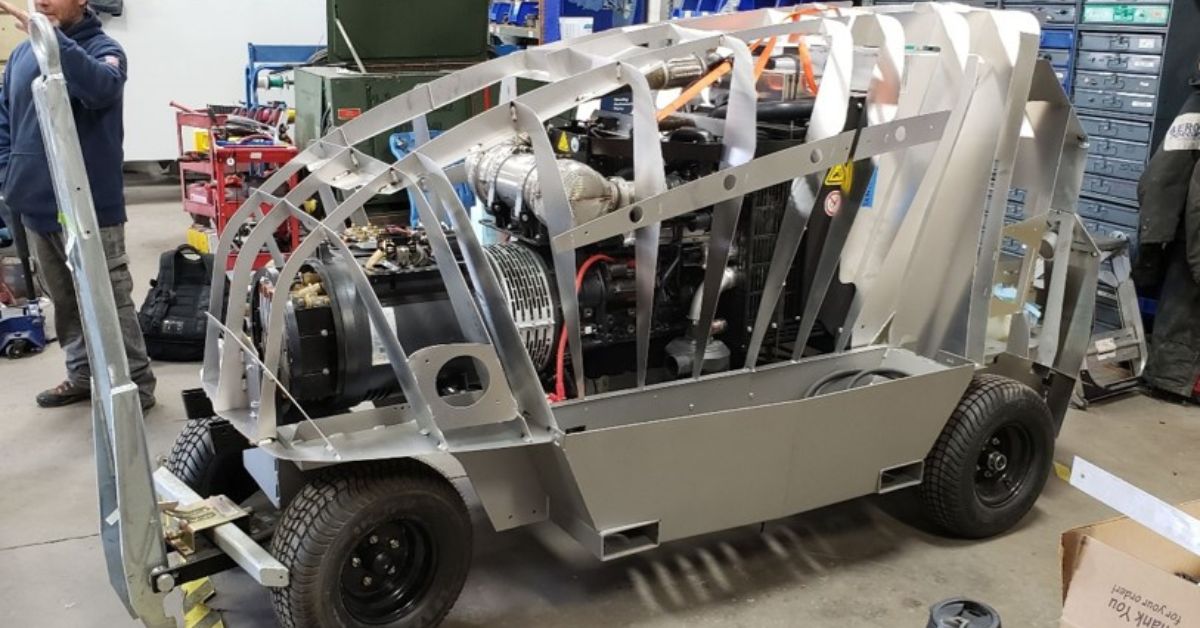
Hardware fails most often during the transition from a functional model to mass production. A device might work perfectly on a lab bench, yet fail consistently when manufactured at volume. This disconnect stems from a fundamental misunderstanding of the requirements of high-volume manufacturing. Creating one unit differs radically from creating one hundred thousand. The processes, materials, tolerances, and assembly methods must change to accommodate scale. Achieving scaling from prototype to 100k units successfully demands a shift in mindset from "does it work?" to "can we build it reliably, repeatedly, and profitably?"
Product leaders facing this transition must navigate a minefield of potential errors. Tooling mistakes cost thousands of dollars and weeks. Supply chain interruptions halt assembly lines. Quality control lapses ruin brand reputations. You can address these risks by focusing on rigorous planning, integrating manufacturing principles early, and maintaining a disciplined validation approach.
Keep reading our quick guide for a clear framework to navigate the path to successful volume production.
Validate Design Intent Before Scaling
Rushing into production with an unverified design can lead to disaster. It's essential to demonstrate that the product meets its intended purpose before beginning mold fabrication. This process involves more than basic functionality; it requires rigorous testing aligned with the Product Requirements Document (PRD). Clearly define success metrics: Does the device achieve thermal performance targets under load? Do the ergonomic features accommodate users at the 5th and 95th percentiles?
Can the assembly pass drop tests? Use purpose-built prototypes as targeted tools. Develop "looks-like" models for aesthetics and ergonomics, and "works-like" models for mechanical and electrical testing. Combining them too early raises costs. Validate subsystems independently first to isolate variables and speed failure detection. Then focus on manufacturability.
Implement Design For Manufacturing Early
Design for Manufacturing (DFM) optimizes a product for the manufacturing process. Many engineering teams treat DFM as a final step, applying it only after the design has frozen. This approach generates excessive rework and delays. Effective product development incorporates DFM principles from the earliest concept stages.
Analyze every part for its production method. A 3D-printed enclosure enables complex internal geometries that are impossible to replicate with injection molding. If you plan to mold the part later, design it with draft angles, uniform wall thickness, and appropriate parting lines from the start.
Reduce part count wherever possible. Every additional screw, washer, and bracket adds cost and complexity. It increases assembly time and introduces another potential point of failure. Snap-fits or ultrasonic welding might replace fasteners. Integrated flexures might replace hinges.
Standardize components. Custom springs, unique screws, and specialized connectors drive up costs and lead times. Off-the-shelf components are available readily and cost less due to economies of scale. Utilizing standard parts streamlines the supply chain and simplifies inventory management.

Rigorous Supply Chain Management
Scaling production necessitates a sophisticated supply chain strategy that extends beyond basic procurement. While catalog distributors suffice for small batches, high-volume production requires direct manufacturer relationships to ensure consistent stock. It's imperative to identify long-lead-time components, such as microchips, early in the design phase to preempt delays that can exceed 50 weeks.
Furthermore, organizations should dual-source critical parts to mitigate the risks posed by single-supplier failures and geopolitical instability. Finally, procurement teams must evaluate the "landed cost" rather than the invoice price alone, accounting for tariffs, logistics, and insurance to determine the true economic viability of domestic versus overseas sourcing.
Execute A Phased Manufacturing Ramp
Jumping to full production can lead to chaos. A phased approach helps catch issues early:
- EVT (Engineering Validation Test): Build 10-50 units with production-grade materials to confirm functionality.
- DVT (Design Validation Test): Produce 50-200 units with hard tooling to ensure the product meets all requirements and validate manufacturing processes.
- PVT (Production Validation Test): Run 500-1,000 units on the assembly line to test production, train workers, and optimize QC.
Only authorize mass production after PVT to avoid costly mistakes.
Establish Quality Control Metrics
Quality improvement requires rigorous measurement and defined standards. A comprehensive quality plan must specify pass/fail criteria for every component and assembly to ensure consistency.
- Utilize GD&T: Use Geometric Dimensioning and Tolerancing (GD&T) on technical drawings. GD&T specifies design intent, such as flatness and parallelism, giving manufacturers clear instructions for critical dimensions.
- Incoming Quality Control (IQC): Inspect raw materials and components upon arrival. Identifying defective resins or resistors before they reach the assembly line prevents significant downstream waste.
- In-Process Quality Control (IPQC): Deploy automated inspection and functional testing stations along the line to catch defects immediately, preventing them from advancing through the process.
- Final Quality Control (FQC): Conduct functional and cosmetic inspections on finished goods. Use statistical sampling for "out-of-the-box" audits to ensure the final product meets customer expectations.
Navigate Regulatory Compliance
Compliance certification takes time. FCC, CE, UL, RoHS, and WEEE certifications require third-party testing. Failing a certification test late in development forces a redesign and a schedule slip.
Engage with compliance testing labs early. Perform "pre-scan" testing on prototypes to identify potential EMI/EMC issues. Shielding sensitive electronics or adding ferrite beads during the design phase costs less than retrofitting a finished product.
Understand the specific requirements for your target markets. Selling into the European Union requires different certifications than selling into the United States or Asia. Medical devices and automotive products face even stricter regulatory hurdles. Map these requirements at the project outset.
Select The Right Manufacturing Partner
Selecting the wrong manufacturing partner can cripple even the most robust product designs. To ensure success, avoid choosing a vendor based solely on the lowest unit price. Instead, evaluate potential partners through the following criteria:
- Operational Standards: Visit the facility to observe factory floor organization and machine maintenance logs. Disorganized environments lead to inconsistent product quality.
- Engineering Support: A high-quality Contract Manufacturer (CM) functions as a strategic partner, providing critical feedback on Design for Manufacturing (DFM) and process improvements.
- Scale and Priority: Ensure your production volume aligns with the factory’s capacity. A massive facility may deprioritize smaller runs, while a small shop may lack the necessary equipment or financial stability to support your growth.
Seek a partner that prioritizes your business and has the technical capabilities and quality management systems your product requires.
Achieve Market Stability Through Strategic Engineering
Scaling production exposes every vulnerability in your engineering and quality plans. Success requires proactive management, data-driven decisions, and a commitment to process. By adhering to validation protocols and DFM principles, you ensure that scaling from prototype to 100k units successfully is a result of deliberate execution rather than chance.
Many organizations lack the internal bandwidth to navigate this transition on their own. Partnering with specialized engineering design firms reduces risk by providing the technical expertise and established manufacturing networks necessary to bridge the gap between a model and a market-ready product.
Contact us today to secure your path to volume production and refine your manufacturing strategy.