.jpg)

Capital follows confidence. When leadership teams walk into investor meetings with working hardware, validated assumptions, and a clear production path, the conversation shifts from vision to execution. Faster prototyping wins more investor funding because it replaces uncertainty with tangible proof.
Investors who back physical products assess technical risk first. They want to understand feasibility, durability, manufacturability, and timeline. A disciplined, accelerated prototyping process gives them evidence that the team can move from concept to controlled production without surprises.
For engineering-driven companies with products already in the market, speed does not mean cutting corners. It means building the right prototypes at the right time to answer the right questions. When teams approach prototyping with structure, funding conversations gain traction.
Investors Fund Reduced Risk, Not Just Big Ideas
Experienced investors rarely fund ideas alone. They fund teams that demonstrate control over complexity. Hardware introduces layers of risk that software does not face: supply chains, tolerances, environmental exposure, certifications, and scaling challenges.
Prototypes surface these risks early. Functional builds show how components interact under load. Engineering models reveal integration constraints. Pre-production units expose manufacturing bottlenecks.
When leadership teams present validated test data alongside working hardware, they communicate competence. Investors see fewer unknowns, and fewer unknowns translate to stronger funding positions.
Speed Signals Operational Discipline
Rapid progress sends a message about internal capability. It shows that product, engineering, and manufacturing teams operate in alignment. It proves that decisions move forward without internal friction.
Speed also demonstrates prioritization. High-performing teams identify critical technical unknowns and attack them first. They do not build polished shells while core performance questions remain unresolved.
This discipline reassures investors. It shows that capital will be spent on milestones rather than stalled iterations. Funding discussions shift focus from recovery to growth.
Early Validation Strengthens the Financial Narrative
Hardware funding often hinges on capital efficiency. Investors want to know how each dollar advances the product toward revenue. Early prototyping helps validate core functionality and reduce technical uncertainty.
After validation, engineering teams move into deeper development. This phase includes detailed engineering refinement and design for manufacturability (DFM), in which teams evaluate materials, assembly methods, tooling, and cost structure.
That progression produces more reliable production forecasts. Financial projections grounded in engineering analysis and manufacturing planning give investors greater confidence.

Iterative Prototypes Build Market Confidence
Engineering validation matters, but market validation carries equal weight. Prototypes allow controlled exposure to customers, distributors, and strategic partners. Feedback from real-world use sharpens positioning and reduces adoption risk.
Teams that iterate quickly can refine ergonomics, durability, and user interaction before committing to full production. Each cycle strengthens the product’s readiness.
Investors recognize this progression. They see a product that evolves through structured testing rather than guesswork. Momentum builds when the market interacts with something tangible.
Production Intent Matters From the First Build
Not all prototypes carry equal value. A rough proof of concept may answer a narrow technical question, but it may not demonstrate production readiness. Investors evaluate whether prototypes reflect a realistic path to manufacturing.
Production-intent prototypes address:
- Material selection aligned with final use
- Tolerances that mirror manufacturing capability
- Assembly strategies that scale
- Compliance considerations built into design
- Supply chain feasibility for critical components
When teams incorporate production realities early, they prevent costly redesigns. They also present investors with a roadmap grounded in execution.
As industry experts in prototype production services, we guide teams toward prototypes that reduce downstream risk rather than create false confidence. That alignment accelerates both development and funding conversations.
Cross-Functional Alignment Accelerates Funding Timelines
Hardware programs stall when engineering, industrial design, and manufacturing operate in isolation. Prototypes serve as a shared reference point. They create a physical artifact around which decisions converge.
Leadership teams that align stakeholders early shorten internal debate cycles. They clarify ownership of tradeoffs and document decisions tied to performance and cost.
Investors detect this alignment. They ask direct questions about tooling, compliance, supply chain, and testing. Teams that answer with confidence demonstrate preparation. That preparation increases the probability of favorable funding terms.
Faster Prototyping Wins More Investor Funding
Funding rarely arrives in a single transaction. Many companies secure capital in stages tied to milestones. Prototyping defines those milestones with clarity.
A structured development roadmap might include:
- Feasibility prototype validating core functionality
- Engineering validation prototype proving durability and performance
- Design validation build confirming manufacturability
- Pilot production run, testing the supply chain and assembly
Each milestone reduces technical uncertainty. Each validated phase strengthens negotiation leverage. When investors see consistent forward motion, they view follow-on investment as lower risk.
This structured progression explains why faster prototyping wins more investor funding in competitive capital environments. Speed combined with rigor builds confidence that future milestones will follow the same disciplined path.
Tangible Hardware Changes the Investor Conversation
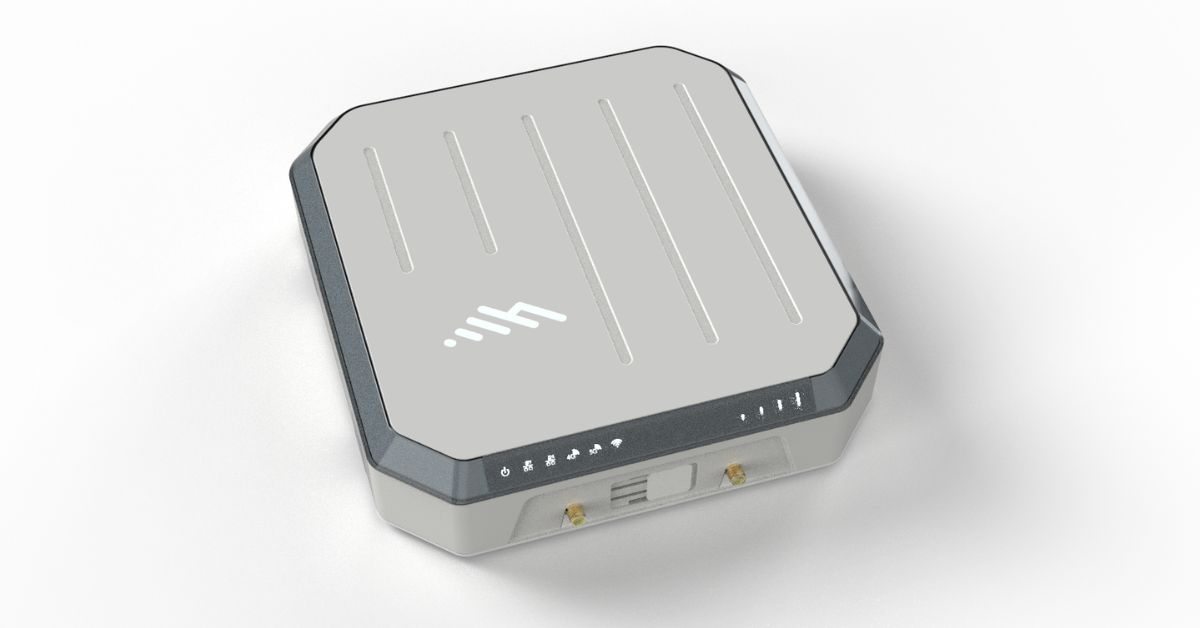
Physical products influence meetings in ways slide decks cannot replicate. A working prototype invites hands-on interaction. It allows investors to assess build quality, ergonomics, and perceived durability.
Demonstrations grounded in real hardware create emotional engagement. They move the discussion beyond abstract market size and toward operational capability.
When investors handle a device that performs as described, skepticism decreases. Questions shift from “Can this work?” to “How quickly can this scale?” That shift often determines funding outcomes.
Manufacturing Readiness Drives Valuation
Validated prototypes confirm core functionality, usability, and system performance. These early cycles show whether the product concept works in real-world conditions.
After validation, engineering teams move into deeper development. This phase includes detailed engineering refinement and design for manufacturability (DFM), in which teams evaluate materials, assembly methods, tooling, and cost structure.
This progression leads to more dependable production forecasts. Financial projections grounded in engineering analysis and manufacturing planning strengthen investor confidence. Companies that demonstrate this level of preparation signal operational maturity. Investors tend to favor organizations that show a disciplined path to production.
Building Momentum Before the Capital Raise
Product teams often seek funding before deep engineering validation begins. Early investment rounds support design exploration and initial prototyping.
Angel or Series A funding typically enables structured development and technical validation. Later funding rounds support scaling activities such as manufacturing preparation and supply chain development.
Investors look for clear progress between these stages. Demonstrating how early funding enables technical validation strengthens the overall investment narrative.
Momentum also builds internal confidence. Teams that see steady progress maintain alignment and focus, which often translates into more effective investor discussions.
Positioning Your Team for Funding Success
Companies handling complex electromechanical products face intense scrutiny during fundraising, as investors look for evidence of disciplined execution rather than just optimistic forecasts. Prototyping provides the clearest way to show readiness. Good prototyping isn't about rushing; it's about speeding up learning and clarifying decisions. It eliminates key unknowns before they cause costly delays.
Leadership that adopts this approach controls its story, entering investor discussions with working hardware, validated assumptions, and a realistic production plan. For organizations aiming to boost product confidence and improve funding talks, choosing the right development partner makes a big difference. A disciplined prototyping approach enhances both your product and your capital strategy.