.jpg)

Across multiple industries, U.S. manufacturers are bringing production home to regain operational control, stabilize margins, and accelerate product execution. Manufacturing geography now influences competitive position as directly as engineering capability.
Executive teams no longer evaluate production locations based solely on labor rates. They assess production predictability, iteration velocity, intellectual property exposure, and working capital efficiency. As a result, reshoring reflects strategic recalibration rather than a temporary reaction.
Companies that manage complex physical products face mounting pressure to tighten feedback loops and reduce external risk. Manufacturing location now sits at the center of that discussion. Understanding what drives this shift requires a closer look at the operational, financial, and engineering factors shaping modern manufacturing strategy.
Supply Chain Risk Reshaped Executive Decision-Making
Extended global supply chains have increased layered volatility, with shipping delays, freight rate fluctuations, and limited supplier transparency reducing the accuracy of production forecasts.
Domestic production shortens communication distances among engineering, procurement, and operations teams. Engineers can get quick feedback on tolerance issues and material substitutions, while procurement leaders have better visibility into supplier performance.
Geographic proximity also allows for direct oversight of production workflows. Leadership can swiftly address constraints rather than waiting for cross-continental updates. As forecasting challenges grow, executives tend to prioritize control over geographical distance.
Speed to Market Influences Revenue Trajectory
Product velocity now drives revenue growth and helps maintain a competitive edge. Companies that quickly release improvements enhance their market standing and protect their pricing power. Domestic manufacturing shortens iteration cycles as engineering teams work closely with manufacturing partners during tooling validation, pilot productions, and initial runs. Design improvements are implemented without significant delays.
Proximity enables faster resolution of issues like tolerance stack-up, assembly sequencing, and supplier material changes, leading to more stable production ramp-up timelines. Faster processes strengthen margin stability, which in turn boosts strategic flexibility.
Engineering Alignment Reduces Production Friction
Manufacturing distance amplifies small misunderstandings. A tolerance clarification delayed by days becomes tooling rework measured in weeks. An assembly sequence misinterpretation during offshore pilot builds introduces scrap and schedule drift.
Closer collaboration changes those dynamics. Engineers observe production conditions firsthand and adjust geometry, fastening strategy, and material callouts with precision. Manufacturing teams gain clarity around performance requirements before scaling volume.
Direct engagement improves coordination across:
- Design for manufacturability reviews
- Tooling readiness assessments
- Tolerance stack-up verification
- Assembly sequencing validation
- Early production yield monitoring
Alignment at these stages protects schedule integrity and production confidence.
Total Cost Analysis Extends Beyond Unit Price
Per-unit labor comparisons no longer capture the full financial picture. Executive teams examine working capital compression, inventory carrying cycles, freight variability, and quality investigation overhead.
Domestic production reduces transit exposure and shortens lead times. Shorter lead times support leaner inventory strategies and improve cash flow predictability. Finance teams forecast margin performance with greater clarity.
Rapid implementation of engineering changes also limits the accumulation of scrap and rework. Production corrections occur quickly, which protects profitability during scale-up.
When leadership evaluates the full cost structure, reshoring aligns more closely with long-term financial control.
Quality Oversight Strengthens Operational Discipline
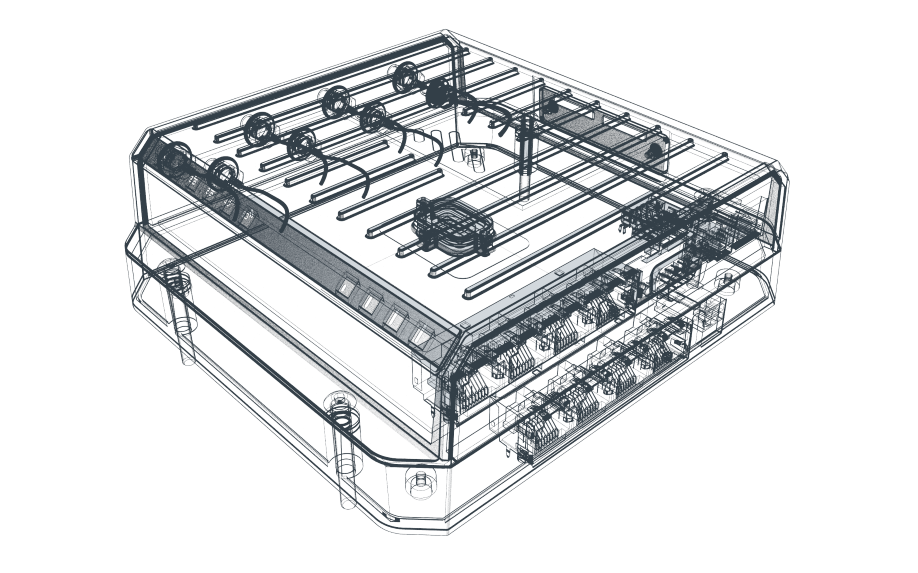
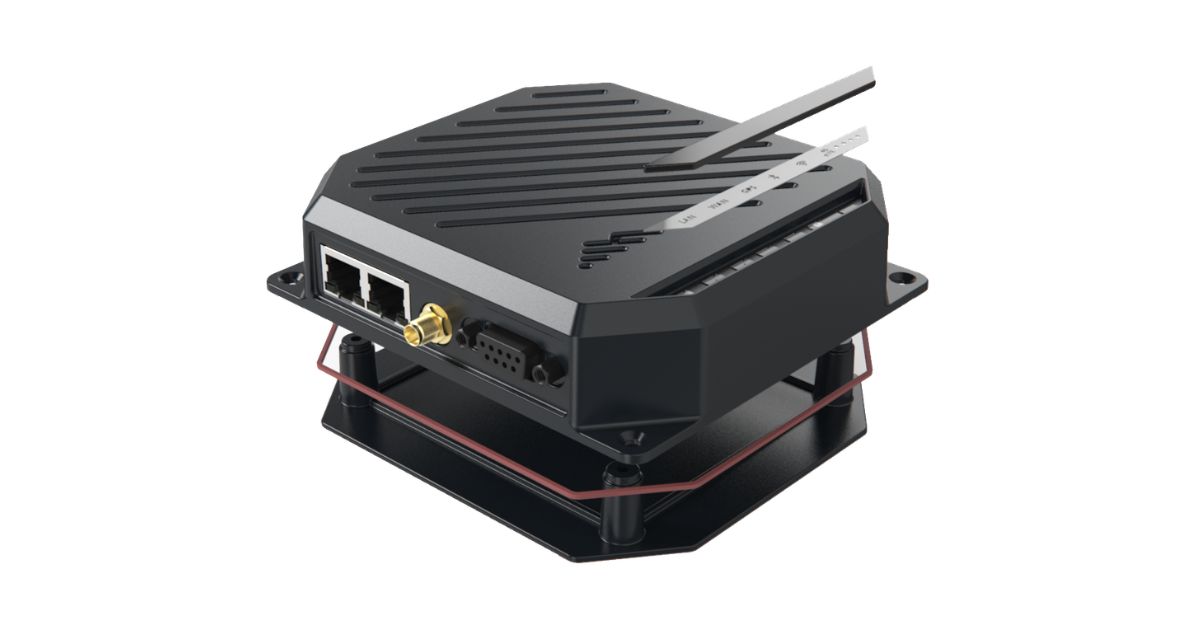
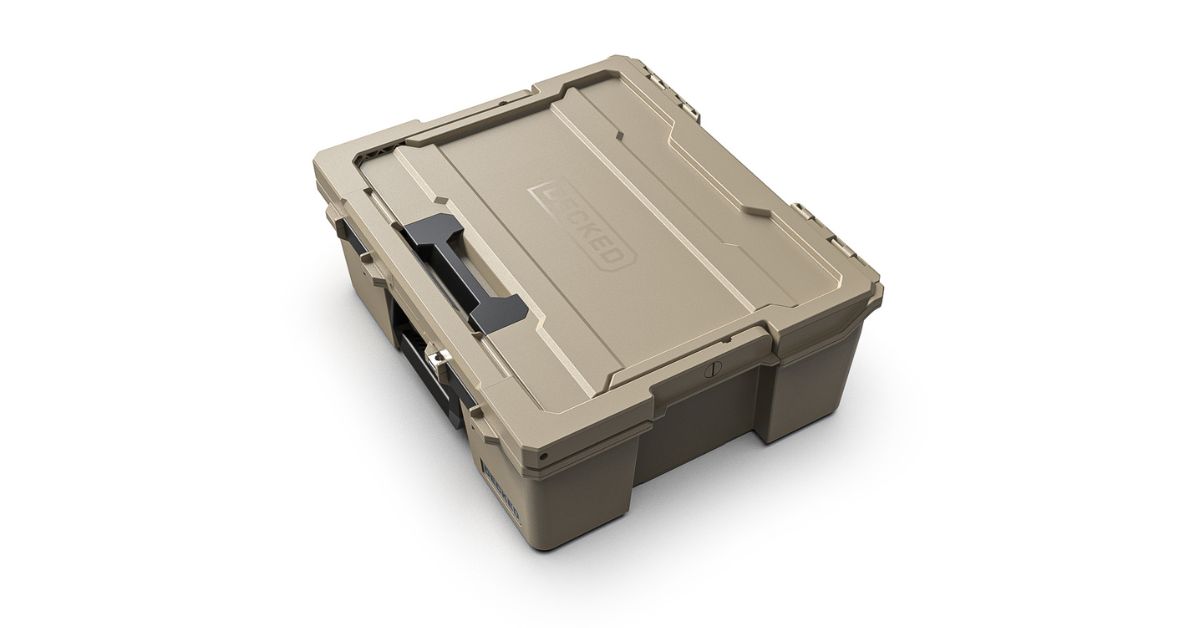
Complex electromechanical products demand disciplined inspection and validation. Integrated electronics, ruggedized enclosures, and precision-machined components require close coordination between design intent and fabrication execution.
Domestic production supports direct visibility into inspection protocols and test procedures. Engineering leaders collaborate with manufacturing partners to correct deviations before volume expansion.
Traceability improves through tighter documentation control and clearer material accountability. Production teams resolve root causes quickly because communication remains immediate.
Operational discipline strengthens brand performance and field reliability.
Intellectual Property Control Guides Strategic Planning
Hardware manufacturers invest heavily in proprietary architecture, firmware integration, and mechanical innovation. Production geography influences exposure to intellectual property risk.
Domestic manufacturing operates within clearer enforcement structures and contractual accountability. Organizations maintain tighter control over design files, firmware configurations, and technical documentation.
Closer oversight reduces ambiguity in supplier data access and process replication. Executive leadership evaluates these protections as part of a broader growth strategy.
Intellectual property control directly intersects with manufacturing location decisions.
Structured Transition Planning Determines Reshoring Outcomes
Reshoring demands disciplined sequencing. Leadership teams must evaluate supplier capability, tooling ownership, capacity constraints, and compliance alignment before initiating production migration.
A structured transition plan addresses:
- Supplier qualification history and technical depth
- Tooling relocation feasibility and validation timing
- Domestic capacity alignment with forecasted volume
- Regulatory documentation and certification requirements
- Revenue continuity during production shift
Coordinated engineering and operations planning protects existing revenue streams while establishing domestic production strength. Organizations that approach reshoring reactively introduce avoidable disruption.
Strategic sequencing separates stable transitions from operational turbulence.
Manufacturing Strategy Shapes Early Product Architecture
Manufacturing assumptions influence geometry, material stack-up, fastening methods, and process selection during early design phases. When organizations anticipate domestic production, they incorporate regional fabrication capability into early engineering reviews.
Teams evaluate machining tolerances, automation feasibility, and supplier specialization before finalizing specifications. That alignment reduces downstream rework and tooling revision cycles.
Mechanical design services facilitate this integration by synchronizing product architecture with practical fabrication constraints and assembly processes. Early collaboration helps ensure a smoother ramp-up in production and stabilizes yields. The manufacturing strategy and product development strategy progress concurrently.
Market Confidence Influences Production Geography
Customers value delivery predictability, service responsiveness, and transparent supply networks. Domestic production strengthens fulfillment consistency and reduces exposure to international logistics volatility. Shorter logistics routes improve access to replacement parts and expedite field service. Sales and account teams can discuss production timelines with greater confidence.
Brand positioning now more clearly demonstrates operational credibility. Executive leaders consider manufacturing locations as integral to their overall market strategy. The choice of production site affects customer trust just as much as product performance.
Evaluating Manufacturing Strategy at the Executive Level
Manufacturing decisions shape revenue stability, engineering velocity, and long-term growth capacity. Leadership teams that conduct structured evaluations gain clarity around operational exposure and competitive positioning.
U.S. manufacturers are bringing production home because domestic alignment strengthens production predictability, engineering coordination, and financial transparency. That shift reflects disciplined analysis rather than reaction.
Executive teams that evaluate reshoring through cross-functional review position their organizations for stronger execution and margin control.
Evaluating Your Manufacturing Strategy
Your manufacturing location influences how confidently leadership teams execute and adapt. Companies that reassess production geography strengthen alignment across engineering, operations, and business strategy.
The shift toward domestic production reflects a broader focus on control, responsiveness, and operational clarity. Leadership teams that evaluate manufacturing strategy with intention position their organizations for steadier performance.
If your team is assessing production alignment or considering a domestic transition, a structured discussion with our team can help clarify priorities before making key decisions.