.jpg)
Product teams move quickly during early development. They focus on performance targets, user interaction, and technical feasibility, while manufacturing typically enters later, once teams have prepared for production. That gap creates problems that surface when timelines tighten and budgets come under pressure.
Bringing manufacturability into the conversation earlier changes how teams move forward. Early DFM reviews save money at launch by surfacing constraints before designs lock in, giving teams a clearer view of tooling, materials, and assembly requirements. At the same time, changes still fit within the natural flow of development.
Teams that work this way avoid late redesign cycles and move toward production with fewer surprises.
Why Manufacturing Input Belongs Early
Design and engineering teams build momentum through concept and prototype phases. At this stage, speed matters, and teams focus on validating function and usability. Manufacturing realities may feel distant, yet they influence every decision that follows.
When manufacturability enters early discussions, those realities become part of the process instead of something teams deal with later. Engineers can evaluate how geometry, tolerances, and material choices will perform during production. That added context helps guide decisions that support both performance and production feasibility.
Clear alignment early on reduces the chance of revisiting major design elements under tighter deadlines. Teams gain more control over how the product evolves as it nears production.
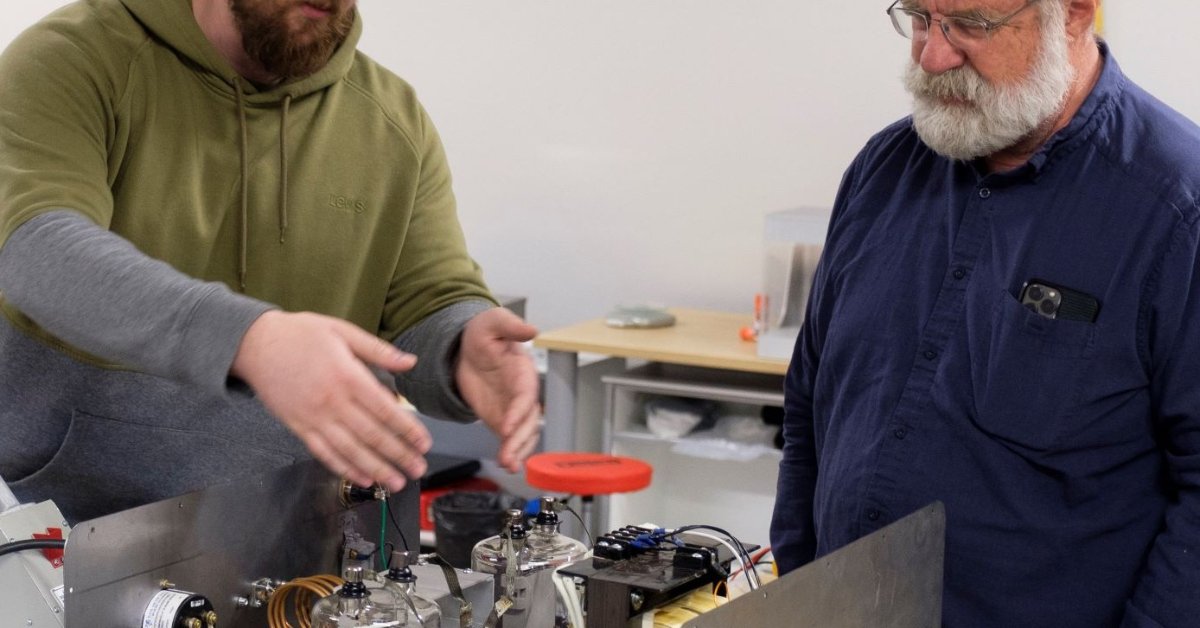
Cost Drivers Start Earlier Than Expected
Many teams associate manufacturing costs with tooling or unit pricing. In practice, costs begin to take shape much earlier. Small design decisions can influence several cost drivers at once, even if those impacts stay hidden at first.
Early DFM reviews help teams uncover how design choices affect:
- Tooling complexity and fabrication time
- Material selection and sourcing options
- Assembly flow and labor requirements
- Tolerance stack-ups and inspection needs
- Supplier compatibility with the design
These factors connect in ways that are not always obvious. A small change to part geometry can simplify tooling while reducing assembly time. When teams see those connections early, they can make informed adjustments that support cost control without compromising design intent.
Reducing Rework During Production Ramp
Late-stage changes tend to create ripple effects. Tooling may already exist, suppliers may have committed resources, and schedules often leave little room for iteration. Even small revisions can lead to delays or added costs.
Addressing manufacturability earlier helps avoid that situation. Engineers can resolve concerns while designs remain flexible, which allows teams to make adjustments without disrupting downstream work. That timing makes a noticeable difference once production ramp begins.
Clearer design intent also improves supplier communication. When suppliers review designs that already reflect manufacturing considerations, they can provide more accurate feedback, which supports better planning and fewer revisions later.
Aligning Engineering and Manufacturing Priorities
Engineering teams often focus on performance and user experience, while manufacturing teams focus on repeatability, efficiency, and cost control. Without early collaboration, those priorities can move in different directions.
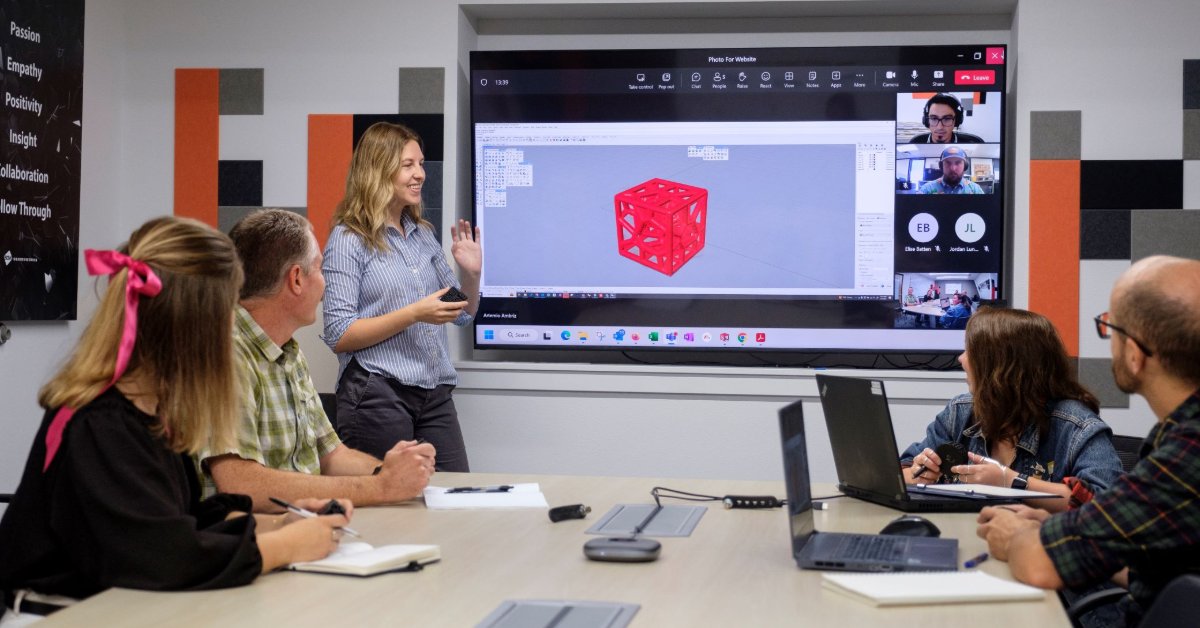
DFM reviews create a shared understanding that brings these perspectives together. Engineers gain insight into production constraints, and manufacturing teams understand the reasoning behind design decisions. This shared view supports better collaboration across development.
Teams also move faster when they resolve tradeoffs earlier. Instead of revisiting decisions during production prep, they address them when options still feel open.
Strengthening Supplier Collaboration
Supplier input plays a major role in manufacturing success. When teams involve suppliers too late, design decisions may already limit available options, thereby restricting process choices and increasing costs.
Earlier DFM discussions create better opportunities for supplier engagement. Teams can ask more focused questions and receive more useful feedback. Suppliers can weigh in on process selection, tooling strategies, and potential risks while changes remain possible.
This type of collaboration builds stronger working relationships. Suppliers can plan more effectively, and teams gain insights that support smoother execution during production.
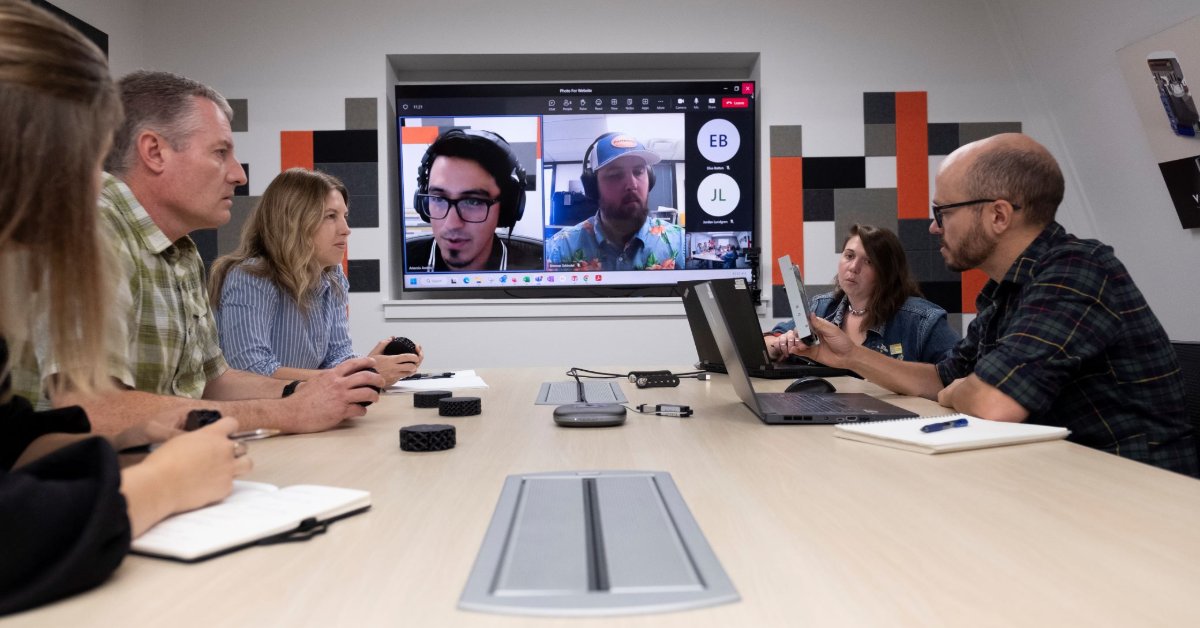
Bringing DFM Into the Development Process
Teams do not need a complex overhaul to integrate DFM. A structured approach at key milestones can make a meaningful difference. The goal is to keep manufacturability aligned with design as the product evolves.
Many teams focus DFM reviews around a few key points:
- Early concept reviews that consider manufacturing constraints
- Post-prototype evaluations that assess manufacturability after functional validation
- Pre-production reviews that refine designs before tooling commitments
This approach keeps manufacturability connected to each stage of development. It also reinforces that production readiness develops alongside the design rather than appearing at the end.
Protecting Margins Before Production Begins
Margins depend on more than unit cost. Engineering effort, tooling investment, and production efficiency all contribute to overall financial performance. When teams delay manufacturability discussions, those variables become harder to manage.
Early DFM reviews give teams more visibility into cost drivers before production begins. Engineers can identify potential issues and adjust designs while options remain open. Leadership teams gain stronger confidence in cost projections and can plan with fewer unknowns.
Early DFM reviews save money on launch by reducing uncertainty across development. Teams enter production with clearer expectations, which supports more stable execution and fewer unexpected costs.
Where Specialized Support Adds Value
Some organizations have in-house experience with manufacturability. Others benefit from outside perspectives, especially when projects involve complex assemblies or new production methods. External support can help teams identify risks that may not be obvious during internal reviews.
Experienced partners bring a broader perspective on manufacturing challenges across industries and processes. They evaluate designs with both engineering and production in mind, helping teams move toward solutions that balance performance with manufacturability.
Working with DFM services at the right stage allows teams to make informed decisions earlier. That support helps translate design intent into production-ready outcomes without unnecessary iteration late in the process.
Moving Toward a More Predictable Launch
A smooth launch depends on alignment across design, engineering, and manufacturing. When teams address manufacturability early, they reduce friction as the product moves toward production and maintain better control over outcomes.
Early DFM reviews support clearer communication, fewer redesigns, and stronger cost control. Teams gain the clarity they need to move from concept to production with confidence.
If your team is preparing for production or evaluating an existing design, SGW Designworks can help you assess manufacturability early and move forward with a clearer plan.