.jpg)
Product development requires a blend of creativity, technical skill, and strategic foresight. Engineers drive the technical execution, turning concepts into tangible products. However, certain missteps during the design process can lead to budget overruns, project delays, and products that fail to meet market expectations. Identifying these common pitfalls helps teams navigate the complexities of development more effectively.
By avoiding these common traps, engineers can position their projects for success, creating products that are functional, manufacturable, and commercially viable.
Here are 10 common errors that can compromise a product's journey from concept to market. By understanding these pitfalls, organizations can refine their processes, foster collaboration, and improve project outcomes.
Ignoring Design for Manufacturing Early
One of the most frequent missteps in product design involves neglecting Design for Manufacturing (DFM) principles during the initial stages. Engineers may create a design that functions well in a prototype but proves difficult or expensive to produce at scale. This oversight can cause major setbacks later in the development cycle.
When manufacturability gets overlooked, problems arise during the transition to production. These can include:
- Complex Geometries: Designs with intricate shapes or tight tolerances may require specialized tooling or advanced manufacturing processes, increasing production costs.
- Material Selection: Choosing materials without considering their availability, cost, or compatibility with mass production methods can create supply chain bottlenecks.
- Assembly Challenges: A product designed without thought for the assembly process can require excessive labor, specialized jigs, or complex steps, inflating the final cost.
Addressing DFM from the outset prevents expensive redesigns and production delays. It aligns the design with practical manufacturing capabilities, resulting in a more efficient, cost-effective process.
Underestimating Prototyping
Engineers sometimes rush through the prototyping phase or skip it altogether to save time and money. This approach creates considerable risk. Prototyping serves as a fundamental step for validating design assumptions, identifying flaws, and gathering user feedback before committing to expensive production tooling.
Without thorough prototyping, design flaws may go undetected until manufacturing begins. Fixing these issues at a late stage becomes exponentially more expensive. A well-executed prototyping strategy allows teams to:
- Test form, fit, and function.
- Validate ergonomic and usability aspects.
- Identify potential failure points under real-world conditions.
- Gather feedback from stakeholders and end-users.
Iterative prototyping de-risks the development process and provides confidence that the final design will meet all requirements.
Over-Engineering the Product
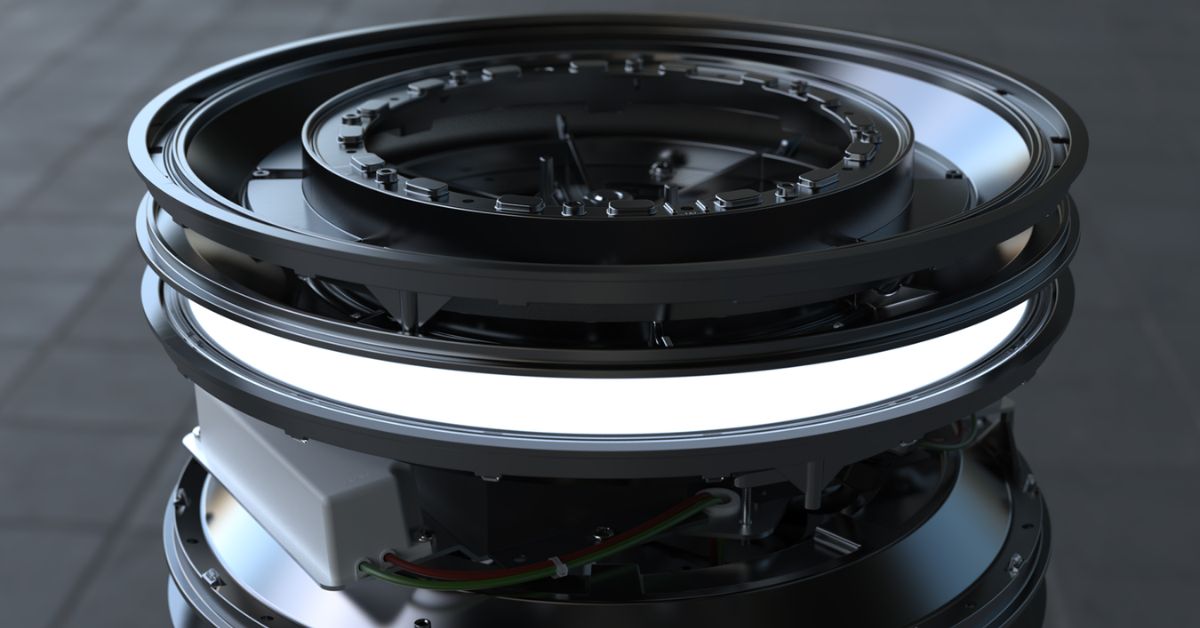
The pursuit of perfection can lead engineers to over-engineer a product, adding features or complexities that provide little value to the end-user. This happens when the focus shifts from solving a core user problem to showcasing technical capability. Over-engineering adds unnecessary cost, increases development time, and can even make the product more difficult to use.
A streamlined design focused on the user's primary needs almost always performs better in the market. To avoid this pitfall, teams should continuously ask whether a feature adds genuine value or just complexity.
Working in Technical Silos
Product development succeeds through collaboration. When engineers work in isolation from other departments like marketing, sales, and manufacturing, the final product can miss the mark. A lack of cross-functional communication means that market insights, user needs, and production constraints are not integrated into the design.
Effective product development relies on a holistic approach. Regular communication between departments helps everyone stay aligned on goals and constraints. This collaborative environment fosters innovation and helps confirm the product meets both user needs and business objectives.
Poor Communication with Stakeholders
Clear and consistent communication with all stakeholders, including clients, project managers, and team members, is a necessity. When engineers fail to communicate progress, challenges, or design changes effectively, misunderstandings can occur. This can lead to misaligned expectations, scope creep, and project delays.
Establishing regular check-ins, maintaining clear documentation, and using visual aids to explain complex technical concepts can improve communication. Proactive updates build trust and keep the entire team moving in the same direction.
Inadequate User Research
Designing a product without a deep understanding of the end-user is a recipe for failure. Engineers might make assumptions about user needs and behaviors, resulting in a product that, while technically sound, does not solve a real-world problem.
User research provides the foundational insights needed to guide the design process. Methods like interviews, surveys, and usability testing help teams:
- Understand user pain points.
- Define clear use cases.
- Validate design concepts with actual users.
Basing design decisions on concrete user data rather than assumptions greatly increases the likelihood of creating a product that users will adopt and value.
Neglecting Cost Analysis
While engineers focus on the technical aspects of a design, they must also consider the financial implications. Failing to track material costs, manufacturing expenses, and assembly time throughout the design process can result in a product with an uncompetitive price point. A design might function perfectly but fail in the marketplace if it costs too much to produce.
Integrating cost analysis early in the design process helps manage the budget effectively and enables informed decisions on materials and manufacturing methods. This approach allows teams to achieve a target cost without sacrificing quality.
Failing to Document Thoroughly
Documentation is often seen as a tedious task, but its importance cannot be overstated. Incomplete or inaccurate documentation can create confusion, hinder collaboration, and make future revisions difficult. Proper documentation includes detailed design specifications, assembly instructions, and records of design changes.
Comprehensive documentation serves as a single source of truth for the entire team. It facilitates smooth handoffs to manufacturing and supports the product throughout its lifecycle, from maintenance to future updates.
Resisting Feedback and Iteration
Some engineers may become attached to their initial designs and resist feedback that suggests changes. This resistance to iteration can stifle innovation and prevent the product from reaching its full potential. The design process should be fluid, with feedback loops that allow for continuous improvement.
Embracing constructive criticism and viewing the design as a work in progress fosters a culture of improvement. Iterating based on testing feedback, user input, and team collaboration results in a more robust, successful final product.
Mismanaging Scope Creep
Scope creep, the uncontrolled expansion of product features and requirements, can derail a project. It often happens when new ideas are added without assessing their impact on the timeline and budget. While some adjustments are regular, unchecked scope creep can lead to missed deadlines and cost overruns.
A formal change management process helps control scope creep. All proposed changes should be evaluated for their impact on the project. This disciplined approach keeps the project focused on its original goals while allowing for necessary adjustments.
A Path Forward
Avoiding these 10 costly mistakes engineers make in product design requires a strategic and disciplined approach. By integrating DFM early, prioritizing user research, and fostering open communication, engineering teams can navigate the development process more efficiently.
At SGW, we offer experienced product design services to provide the guidance and expertise needed to steer your project toward success. Our approach ensures the final product is well-engineered and commercially viable.