.jpg)

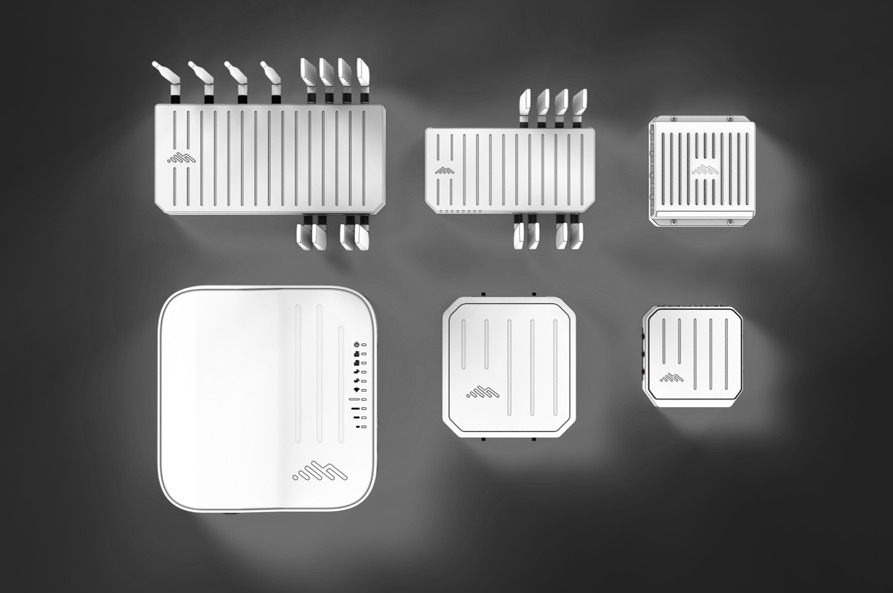
Product teams researching how to reduce electronics enclosure costs usually face a bigger issue than part price. Requirements, materials, geometry, supplier fit, and assembly flow drive enclosure cost. A good enclosure protects the electronics while keeping the product aligned with its use environment.
Early clarity helps teams avoid rework, late sourcing friction, and production quotes that miss the real cost picture before supplier conversations narrow the available choices.
Cost Control Starts Before Quoting
Quoting works best when the design intent already has structure. Suppliers need clear information about volume, environment, finish, tolerances, and assembly expectations.
When teams send loose requirements into quoting, vendors fill gaps with assumptions that may raise cost. Stronger planning gives engineering, operations, and leadership a shared view of what the enclosure needs to accomplish.
Unit price still matters, yet it rarely tells the whole story. A part that looks efficient on a spreadsheet may create extra handling, inspection, or assembly work. Teams gain better visibility by reviewing the total program cost across development and early production.
That view keeps cost discussions grounded in execution rather than surface-level comparisons that ignore coordination, documentation, and build stability.

Requirements Shape the Cost Structure
Enclosure requirements influence nearly every downstream decision. Impact resistance, sealing, thermal behavior, mounting, service access, and regulatory needs all affect the design path. Teams reduce cost risk by separating required performance from preferences at the start. That separation prevents overbuilt designs that solve problems the product may never face.
Requirements also help teams make tradeoffs with less friction. An indoor product with controlled handling needs different decisions than a rugged device used in harsh conditions. As the team narrows requirements, material options, and manufacturing methods become easier to evaluate. Clear requirements turn cost control into an engineering decision rather than a late-stage negotiation.
Material Decisions Need Context
Material selection affects raw material cost, manufacturing process, finishing, durability, weight, and supplier availability. Plastics, metals, elastomers, and composites each carry different constraints. Teams need to match those constraints to the product’s actual environment and production plan—heat, moisture, UV exposure, chemicals, vibration, and handling all shape the right direction.
Prototype materials do not always match production needs. Early prototypes may help validate fit, form, and use, while later engineering work should address manufacturability and cost. That sequence matters because early parts cannot answer every production question. A careful material review helps the enclosure support performance without creating avoidable manufacturing pressure.
Geometry Carries Hidden Cost
Geometry directly affects tooling, machining time, molding behavior, finishing, inspection, and assembly. Thin walls, deep pockets, undercuts, sharp internal corners, and complex surface details can raise production effort. Some features enhance strength, sealing, or usability, while others add little value to the product. Engineering teams should review each feature against its role in the finished product.
Simple geometry does not mean generic design. It means the enclosure uses clean forms, clear interfaces, and purposeful details. Ribs, bosses, gasket channels, vents, and mounting features should earn their place through function. The result supports a cleaner manufacturing path and a more predictable cost structure.
.jpg)
Assembly Choices Change the Economics
Assembly decisions can change enclosure cost as much as the part design itself. Screws, inserts, clips, adhesives, seals, welds, and snap features all affect labor, tooling, inspection, and repair access. A design that looks clean in CAD may still slow production if technicians struggle with access or alignment. Teams should review the assembly sequence before they freeze the enclosure architecture.
Good assembly planning covers board placement, connector access, wire routing, gasket seating, display fit, and final closure. It also accounts for tool clearance and repeatable alignment across the full build process. Small improvements in assembly flow can reduce touch time and lower the risk of damaged components. Those gains matter most when the product moves from prototype builds into steady production.
Tolerances Need Discipline
Tolerances guide how parts fit, seal, align, and function. Overly tight tolerances increase manufacturing and inspection effort when teams apply them throughout the enclosure without a clear rationale.
Some areas need precision, such as gasket surfaces, connector openings, board mounts, buttons, and display interfaces. Other areas can allow controlled variation without harming performance or appearance.
A better tolerance strategy starts with a stack-up review. Engineers should evaluate mating parts, thermal movement, fastener alignment, gasket compression, and supplier process capability. That work helps the team place precision where the product needs it most. It also helps prevent repeated fit issues during prototype and pilot builds.
Thermal Planning Protects the Design
Thermal behavior deserves attention before the enclosure shape settles. Batteries, processors, radios, power supplies, motors, and displays generate heat that needs to be dissipated away from sensitive components.
Enclosure material, spacing, vents, heat sinks, conductive paths, and airflow all influence that path. Early thermal review helps teams avoid late geometry changes that affect cost and schedule.
The product’s operating environment should guide the thermal strategy. A sealed product has different limits than a ventilated product. Dust, moisture, duty cycle, mounting orientation, and user handling also affect heat movement. When teams plan thermal behavior early, they protect electronics while keeping enclosure complexity under control.
A Focused Cost Review Helps Before Production
A structured review helps teams catch enclosure cost drivers before final quoting. Engineering, product, sourcing, and manufacturing input should all inform the review. Each group sees different risks across design, supply, quality, and build flow. The review should focus on decisions that affect production behavior, not personal preferences.
A Focused Cost Review
- Confirm each feature supports a defined requirement.
- Check material choices against the use environment.
- Review fasteners, seals, inserts, and part count.
- Verify tool access for assembly and service.
- Compare tolerance demands with supplier capability.
This review gives the team room to adjust before changes become disruptive. It also helps leadership compare cost tradeoffs with product goals in view. As a result, enclosure decisions stay connected to performance, production readiness, margin, and supplier execution. That alignment matters when teams assess how to reduce electronics enclosure costs across the full development path.
Build Enclosure Cost Control Into Development
Enclosure cost control comes from disciplined engineering choices across the full product path. Requirements, materials, geometry, assembly, tolerances, and supplier input all interact throughout development, quoting, and early production.
SGW Designworks helps product teams connect enclosure strategy with electronic design services, mechanical engineering, prototyping, and manufacturing setup. Teams that need support moving from design decisions to production-ready direction can contact
SGW to discuss the next step with the product development team and review the enclosure strategy before production decisions harden.