.jpg)

Product development rarely slows down because the team lacks skill. More often than not, progress starts to slip when engineering work competes with production support, supplier questions, design updates, and daily business needs.
Bringing in product engineering support can give the team focused engineering time without pulling product ownership away from the people who know it best.
Knowing when to seek outside support can help teams manage scattered progress before it stalls.
The Work Starts Getting Fragmented
Most product teams can handle a certain amount of switching. They answer supplier questions, review drawings, join product meetings, and help troubleshoot issues from the field. That rhythm can work for active product support.
Development work requires something different. It needs sustained attention long enough to study a problem, compare options, and decide the team can stand behind.
When engineering work occurs only in the gaps between other priorities, small delays start to stack up. The product may still move, but it moves in short bursts. Over time, that fragmented pace can make the next phase harder than it needs to be.
Product engineering support can help by taking on defined work that needs consistent attention. The internal team stays close to the product while outside engineers help carry the development load.
The Team Knows the Problem, but Nobody Can Stay with It
A common sign of overload is a problem that everyone understands, but nobody has time to resolve. The team may know the enclosure needs another look. They may know a test result deserves deeper review. They may know the next prototype needs a tighter purpose.
Knowing the issue doesn’t move the product forward. Someone has to stay with the question long enough to work through it.
Outside engineering support can help here by giving the problem an owner and a path. That work may involve mechanical review, CAD updates, documentation cleanup, prototype planning, or technical evaluation. The value comes from focused follow-through, not from adding another opinion to the room.
Early Direction Needs Engineering Pressure
A concept can create alignment. It gives leadership and product teams something to react to. It can also make the product feel further along than it actually is.
At a certain point, the design needs pressure from real constraints. Parts have to fit inside the available space. User interaction needs to hold up in physical form. The design has to support the function without creating new complications.
That’s where product engineering support can help turn direction into development work. Instead of treating the concept as the answer, the team can use it as a starting point for better questions.
Questions Worth Asking Before the Next Build
A focused engineering review can help clarify questions like:
- What part of the design still carries the most uncertainty?
- Which decisions need engineering work before the next prototype?
- What does the next build need to prove?
- Where does the current direction create physical constraints the team can’t ignore?
Those questions help the team avoid building another version without knowing what they need to learn from it.
Prototypes Need a Clear Assignment
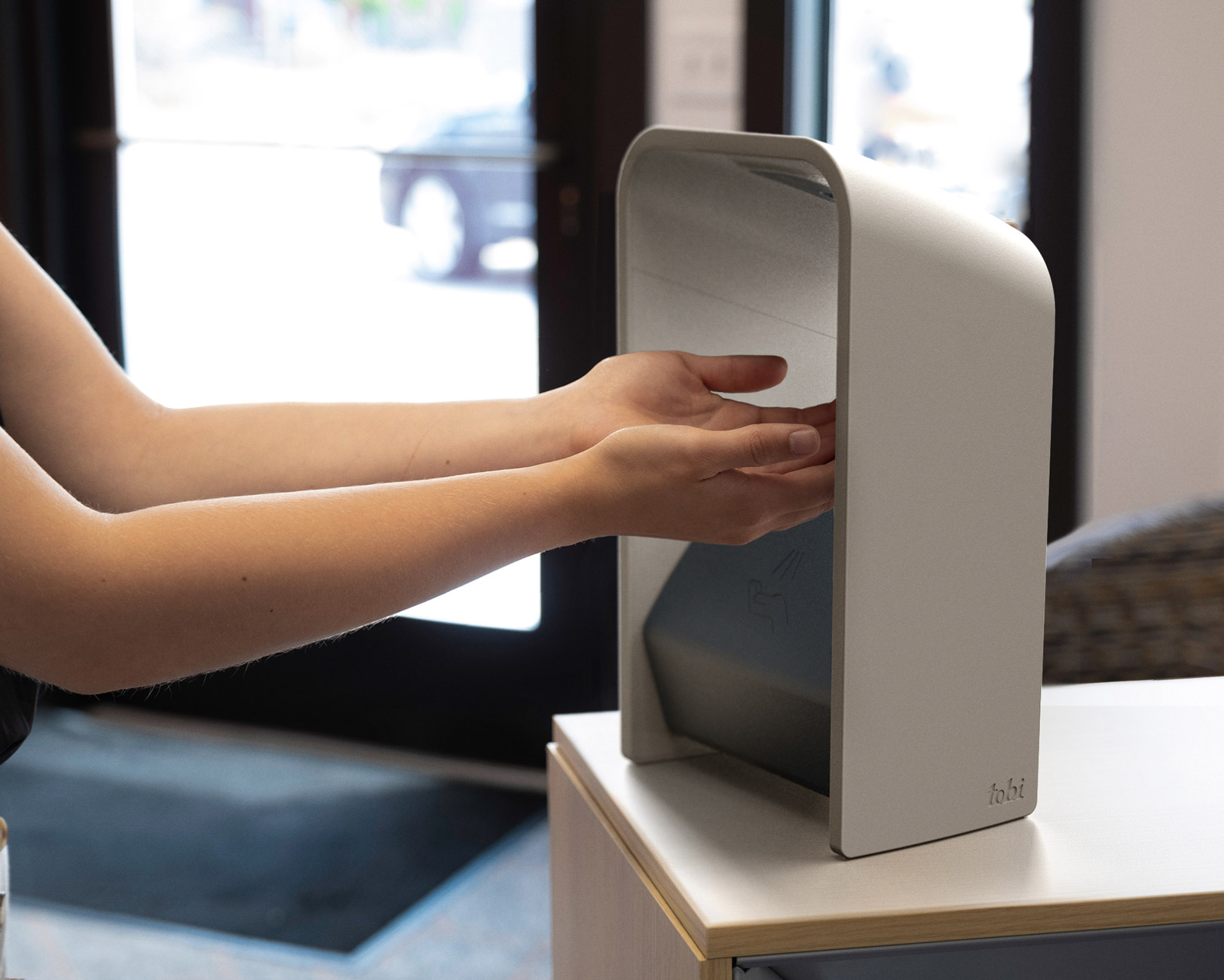
Prototypes can do a lot of useful work, but they shouldn’t carry every question at once. One build may test core function. Another may help the team study fit or user interaction. Another may focus on a narrow technical concern.
Trouble starts when a prototype becomes a catch-all. Teams may expect one build to validate function, guide manufacturing decisions, support cost assumptions, and settle design direction. That puts too much weight on the wrong phase of work.
Prototype validation should answer the questions that matter for that stage. Manufacturing readiness comes later, after the team has validated the core function and stabilized the design direction to the point where DFM makes sense.
Product engineering support can help define what each prototype needs to prove and what should wait. When teams need help building or refining prototypes, prototype production services can support the work without confusing prototype validation with production planning.
Meetings Start Replacing Decisions
Some development problems don’t stall because the team lacks ideas. They stall because the team keeps circling the same technical questions without enough engineering work between meetings.
A fit concern comes up again. A test result still needs interpretation. A design tradeoff keeps returning to the agenda. The conversation sounds familiar because the underlying work hasn’t moved far enough.
Outside engineering support can break that loop. A partner can take the open technical question, work through the constraints, and return with a clearer recommendation. That doesn’t remove the internal team from the decision. It gives them better information to decide with.
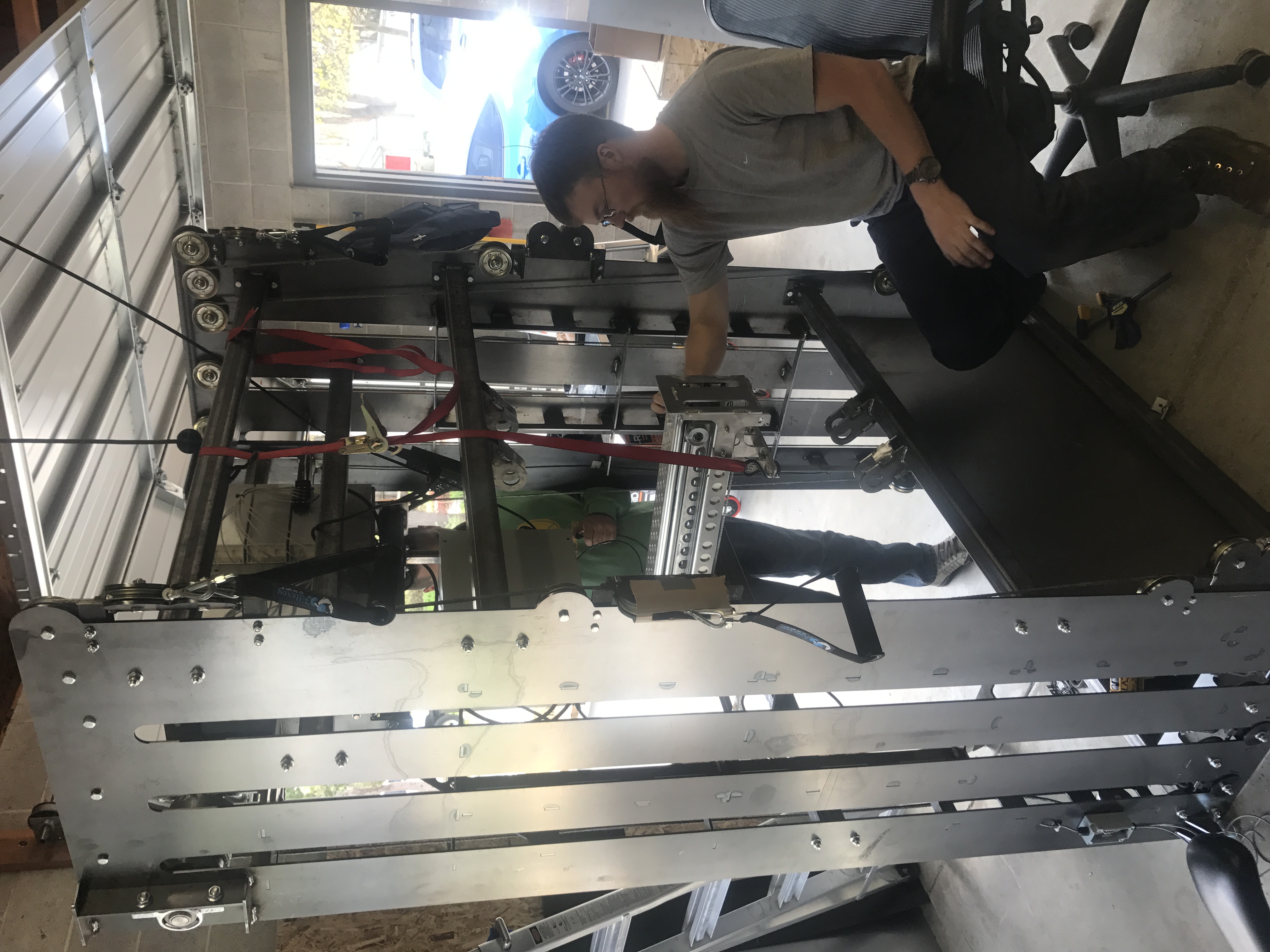
Existing Products Need a Different Kind of Care
A product already in the market has a history. Customers use it, suppliers support it, and service teams are familiar with its patterns. The business might rely on it while teams work to improve it. This context affects how updates should be handled.
Even a seemingly minor design change requires careful review because the product carries real-world expectations. Product engineering support can help teams analyze the change before implementation. The goal is to improve the product while reducing unnecessary disruptions.
That kind of support can help with reliability concerns, design updates, root cause analysis, prototype testing, and documentation that needs to align with the current product reality.
Manufacturing Input Needs the Right Moment
Manufacturing plays an important role in shaping development, but timing matters. When a team introduces manufacturing assumptions too early in the prototyping stage, it might limit what the team can learn. If the team waits until the design feels finalized, production issues can show up too late.
The right time to engage with manufacturing concerns is after prototype validation has clarified the main functional questions. Once the design is fairly stable, engineering and DFM work can offer the team a much clearer picture of what’s feasible, covering manufacturability, assembly, materials, tooling direction, and cost targets.
That sequence keeps the work grounded. The team doesn’t treat a prototype like a production-ready product, and it doesn’t ignore manufacturing until the decisions become harder to change.
The Timing Shows Up Before the Team Says It Out Loud
Teams often sense the need for help before they name it. Progress starts depending on whoever has a spare hour. Engineering review creates notes, but not movement. Prototype questions stretch across too many meetings. Manufacturing conversations start before the design has enough definition, or too late to guide the next phase well.
That’s often when bringing in product engineering support becomes less about adding help and more about giving the work the attention it now requires.
If your team needs a stronger path through development, prototype validation, or manufacturing preparation, SGW can help move the work forward with the right level of technical focus.