.jpg)
Developing hardware products is a tricky balancing act between technical capability and commercial viability. Profit margins in this space are tight, and every design choice affects the bottom line. Many business leaders assume that better quality or performance means more complexity, which often leads teams into a trap, burning through resources and delaying product launches.
Over-engineering occurs when a product's design exceeds what's necessary for its intended purpose. It's when the solution is more complicated than the problem, creating a gap between what customers want and what the engineering team builds.
While engineers naturally pursue precision and durability, unchecked perfectionism creates a heavy financial burden. Read on to understand why over-engineering is killing your profit margins and to learn how to reclaim efficiency and stabilize your financial outlook.
The Hidden Costs of Technical Excess
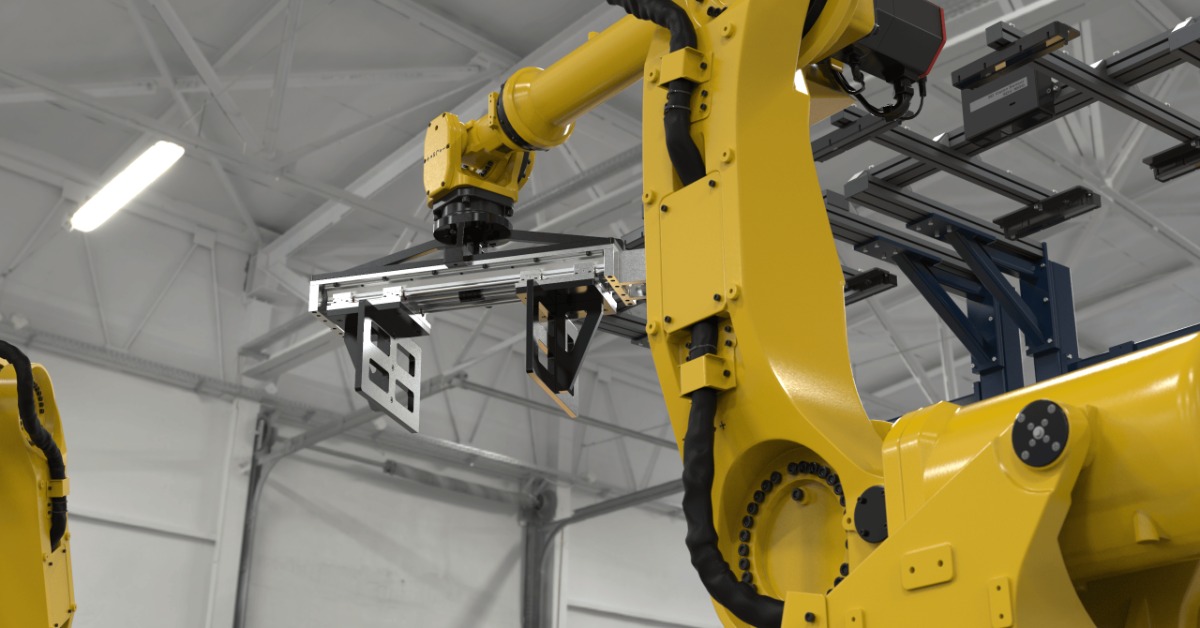
The most immediate impact of excessive complexity appears in the Bill of Materials (BOM). Engineers often choose custom components when standard off-the-shelf parts would do the job just fine. For example, a custom-machined bracket can cost a lot more than a standard catalog part. While a single custom component might only add a few dollars to the cost of one unit, those costs add up quickly when you're producing thousands of units.
Bill of Materials Inflation
Hardware startups and established manufacturers often lose money due to inflated Bill of Materials (BOM) costs. Costs can escalate when a design includes exotic materials or unnecessarily tight tolerances.
For instance, a tolerance of +/- 0.001 inches requires precision machining, while a looser tolerance of +/- 0.005 inches may enable faster, less expensive production methods. If the tighter tolerance offers no real benefit to the end user, the company is wasting money on every unit it produces.
Manufacturing Yield Reduction
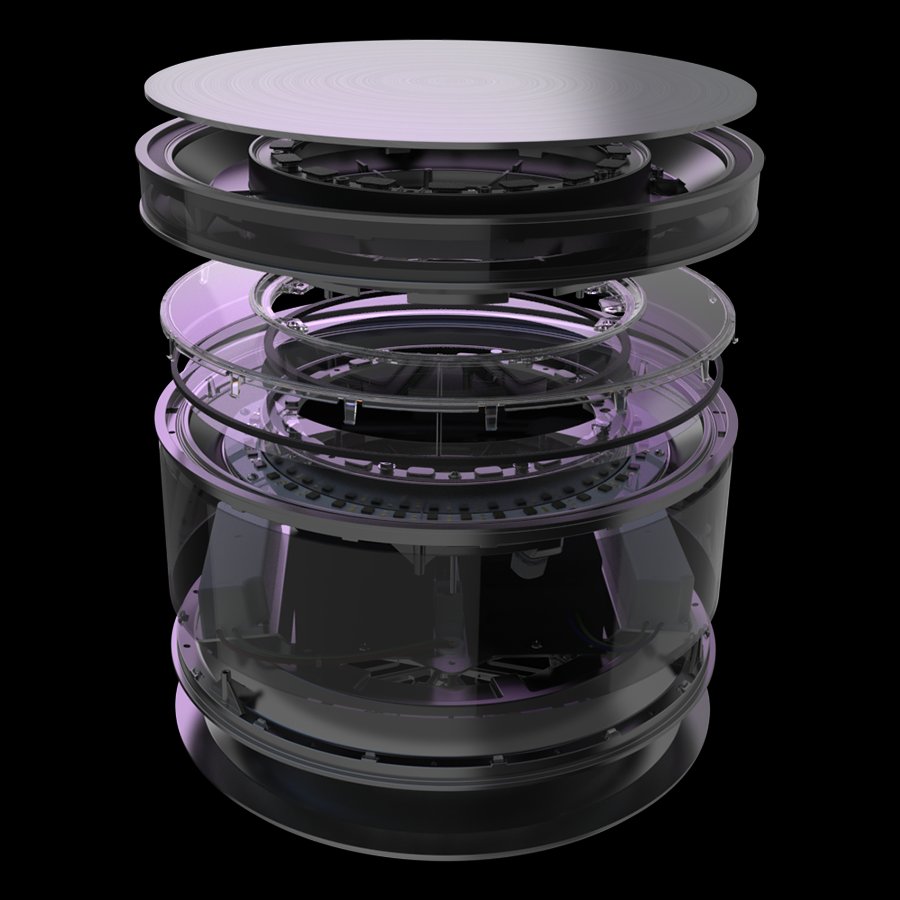
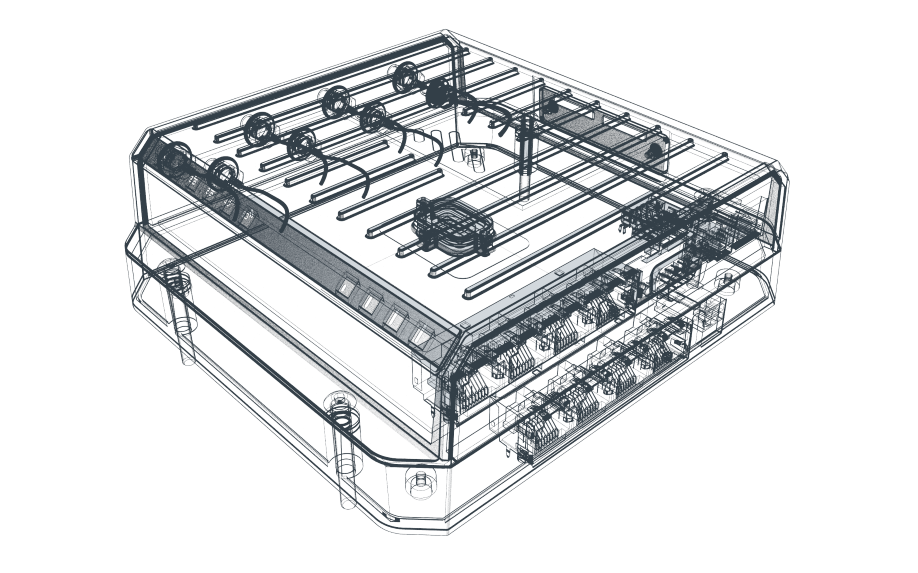
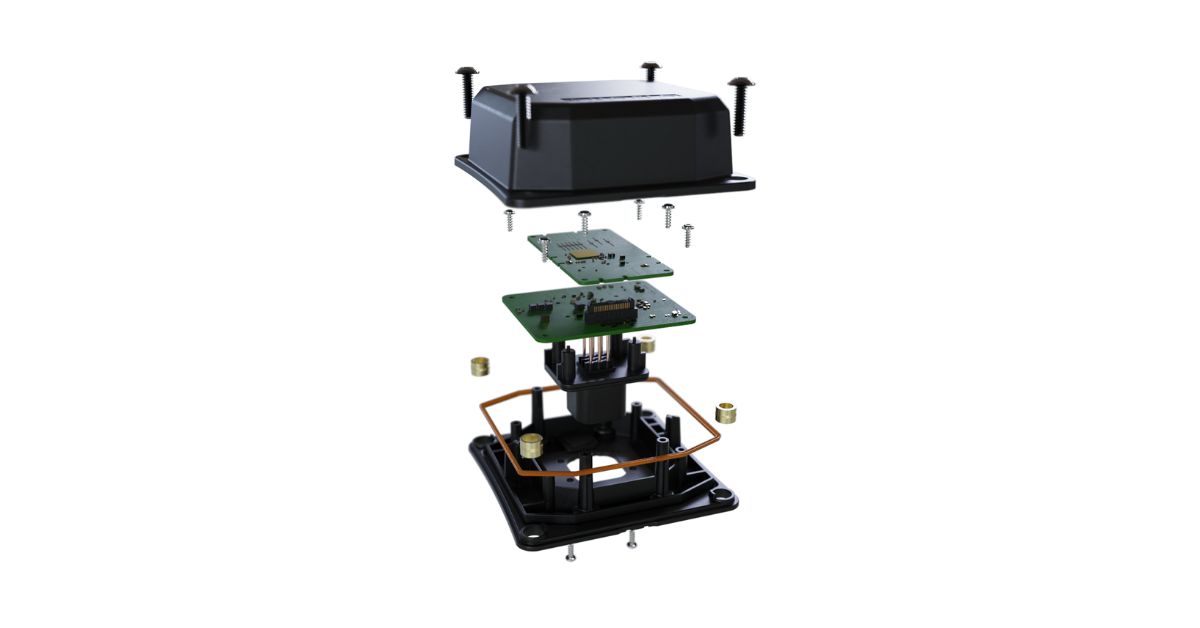
Complexity introduces more opportunities for failure. A product with fifty assembly steps is more likely to have an assembly error than one with just ten. Over-engineered designs often overlook Design for Manufacturing (DFM) principles until it's too late.
Factories often struggle to produce intricate designs consistently. This results in lower yields, causing more units to be scrapped during production. The business must absorb the cost of these scrapped units, reducing profit margins on the units sold.

Development Velocity and Market Timing
Time functions as a finite resource in product development. Each week the engineering team spends refining a non-essential feature is a week the product is out of the market. Over-engineering extends the development timeline, pushing revenue generation further into the future.
The Burden of Validation
Complex systems require thorough validation. When a team designs a mechanism with ten moving parts instead of two, they need to test how all ten components interact under various conditions. This includes analyzing wear patterns, failure modes, and environmental stresses on the larger system.
As a result, the validation phase becomes longer. Engineers may spend months developing test protocols for scenarios unlikely to occur in real-world use. These efforts increase non-recurring engineering (NRE) costs, which must ultimately be recovered through product sales.
Missed Market Windows
Competitors won’t wait for you to perfect your product. While your team spends time refining a feature that only 5% of users might use, a competitor could launch a simpler, "good enough" product and take over the market. In hardware, speed often beats perfection.
By the time an over-engineered product finally hits the shelves, consumer preferences could have changed, or a competitor might already own the space. The cost of delay often outweighs the value of those extra features.
The Disconnect Between Function and Value
A common misconception suggests that adding features increases value. In reality, features add value only if users need them. Over-engineering often results from a desire to "future-proof" a design or cover every theoretical edge case.
Feature Bloat vs. User Needs
Engineers trained to solve problems sometimes invent problems to solve. They might add structural reinforcement for loads the device will never see or waterproofing for a product used exclusively indoors. This "just in case" mentality is why over-engineering is killing your profit margins. The customer pays for these invisible features but receives no tangible benefit. In many cases, this complexity degrades the user experience. A device with too many functions becomes difficult to operate, leading to user frustration rather than satisfaction.
The Maintenance Hangover
The costs of over-engineering continue after the sale. Complex products break in complex ways. A simple mechanism is usually highly reliable. A complex mechanism introduces more potential failure modes. This increases warranty claims and support tickets. Field repairs become difficult or impossible, forcing the company to replace entire units. The long-term support costs for an over-designed product can destroy the profitability of a product line years after launch.
Root Causes of Engineering Excess
To stop profit erosion, leadership must identify the source of this tendency. It rarely comes from malice; it usually stems from misaligned incentives or unclear communication.
Vague Requirements
When product requirements lack specificity, engineers often resort to over-engineering to ensure safety. For example, a vague requirement like "the device must be durable" might lead an engineer to design it to survive a ten-story drop.
A specific requirement, such as "must survive a 30-inch drop from a table," enables a more cost-effective design. Ambiguity forces engineers to guess, and they will almost always prioritize robustness over cost.
Risk Aversion
No engineer wants a product to fail on their watch. This fear drives the selection of higher-grade materials and components than necessary. While reliability remains mandatory, excessive redundancy wastes resources.
A culture that punishes any failure during prototyping encourages over-engineering. Teams need the freedom to fail early and cheaply so they can identify the proper limits of the design rather than padding it with expensive safety margins.
Strategies for Learner Development
Reclaiming profit margins starts with rethinking product design. This means fostering a culture of cost awareness and setting clear targets early. When engineers know the BOM target from day one, they make smarter design decisions, evaluating trade-offs upfront. By prioritizing cost as a fundamental design parameter—just like weight or size—you can avoid costly surprises later.
Cross-Functional Review
Engineers must not work in isolation. Regular, cross-functional reviews with product management, sales, and manufacturing ensure that design decisions align with business goals. These checkpoints help identify costly assembly steps and validate a feature’s commercial value, preventing engineers from overdesigning without a clear commercial purpose.
Moving Toward Pragmatic Product Design
Product development is about solving user problems profitably. Over-engineering, while technically impressive, can destroy a business model. To avoid spiraling costs, teams should focus on precise requirements, standardized components, and simplified manufacturing.
Balancing perfection with profitability is key. When technical execution aligns with strategy, companies deliver products that meet market needs without unnecessary costs. Understanding why over-engineering is killing your profit margins can help you build a leaner, more competitive business.
For companies struggling to find this balance, an external perspective often provides the necessary correction. Partnering with a team that understands the intersection of business goals and technical execution can clarify the path forward.
At SGW, we offer expert mechanical engineering services to help you optimize your product for performance and profitability, ensuring your next launch drives growth rather than overhead. Contact us today to inquire about how we can support your vision.