.jpg)

Manufacturing risk doesn’t usually begin when production starts. It begins earlier, when product teams make design choices that later affect tooling, sourcing, assembly, testing, and cost.
That’s why industrial design teams can reduce manufacturing risk for companies with physical products already in the market. The goal isn’t to make the product less ambitious. It’s to make better decisions before those decisions become expensive to change.
That starts with asking better questions early, when the team still has room to adjust. The sections below cover where risk often enters the product development process and how design choices can reduce it before production pressure builds.
Manufacturing Risk Starts Before Manufacturing
Teams often see manufacturing risk as a production issue, but the root causes are earlier, in sourcing, tooling, or startup. A product’s shape affects mold opening, seams impact assembly, and surfaces influence material choices. Separating design from manufacturing long-term risks the product, as a polished design can hide underlying problems until planning for repeatable builds.
Industrial design bridges this gap, balancing user experience and manufacturing feasibility early, allowing room for adjustments.
Strong Product Definition Lowers Uncertainty
Product definition gives the team a better starting point. It clarifies what the product needs to do, who it serves, where it operates, and what tradeoffs the business can accept.
This work goes beyond listing features. Strong product definition helps teams uncover assumptions about users, environments, handling, service needs, and performance expectations.
Those assumptions can shape manufacturing risk if no one challenges them early. A product that lives in a controlled indoor setting can support different material choices than one exposed to dust, vibration, or field use.
When teams define the project well, they don’t eliminate all unknowns. Product development always involves uncertainty. They do create a stronger basis for decisions, reviews, and prototype work.
That clarity also helps leaders make better tradeoffs. A team can decide where the product needs precision, where it needs flexibility, and where manufacturing constraints should shape the next design move.
Design Choices Carry Manufacturing Consequences
Industrial design affects much more than appearance. It shapes how the product feels, how users interact with it, and how manufacturing teams will build it.
A well-designed product needs to make sense in use and in production. If the design solves one problem while creating another, the team may pay for that tradeoff later.
That’s where industrial design firms can help leadership teams see risk across the product path. They can connect product goals with form, materials, assembly logic, and production planning before the design becomes too rigid.
Early concept work should still leave room for exploration. The team doesn’t need full manufacturing detail in every concept.
However, the team should recognize which decisions may affect tooling, sourcing, or assembly later. Strong design conversations ask, “What will this decision create later?” while the team can still change direction.
Material Decisions Need Real Context
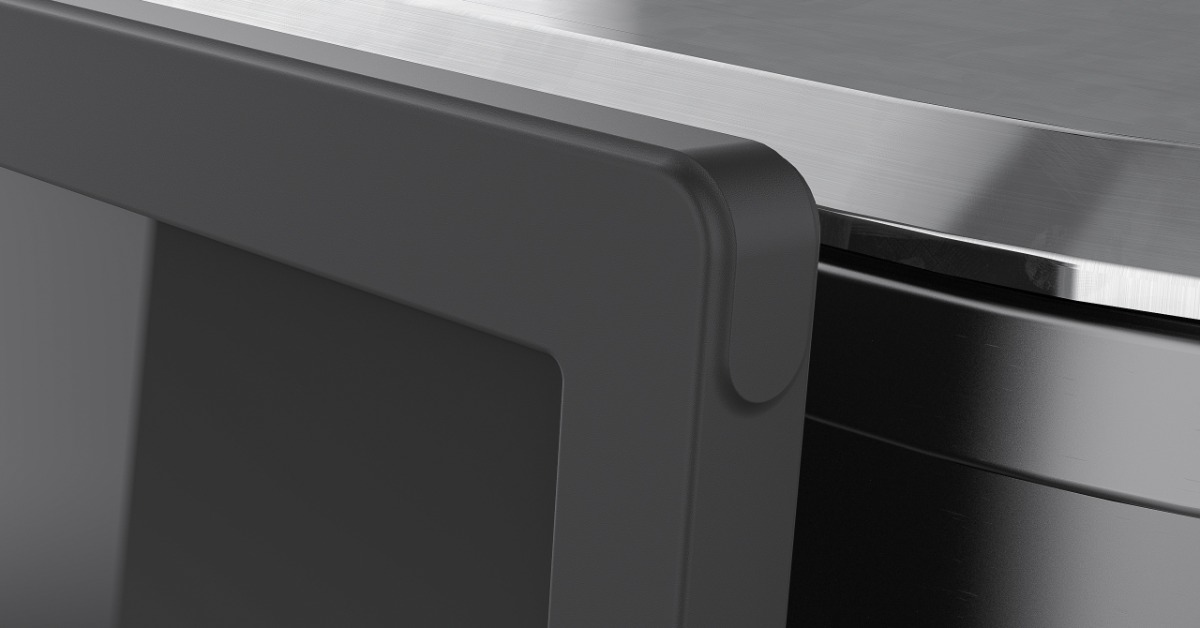
Material selection can reduce risk when the team evaluates it through actual product use. The right material supports performance, durability, appearance, and manufacturing goals.
The wrong material can cause delays. It may not hold up in the product’s operating environment. It may limit supplier options or require changes to wall thickness and mating surfaces.
Industrial design helps teams evaluate materials in context. A material that works well for one product may cause problems in another because the loads, exposure, and user expectations differ.
For rugged or complex electromechanical products, material decisions often affect internal components. A housing decision can affect heat, electronics placement, sealing, or service access.
Teams reduce risk by discussing these relationships early. They don’t need final answers on day one, but they do need enough awareness to avoid design decisions that force major rework later.
Prototypes Should Answer Specific Questions
Prototypes help teams reduce uncertainty, but they don’t prove everything at once. A prototype should answer specific questions about the product at that stage of development.
Early prototypes may help the team evaluate size, ergonomics, or user interaction. Later prototypes may test integration, mechanical performance, or changes made during DFM work.
A working prototype doesn’t automatically mean the product can move cleanly into production. It may prove the concept, yet still needs engineering refinement and manufacturing review.
That distinction matters. Prototype validation and manufacturability work do different jobs.
Teams reduce risk when they treat prototypes as learning tools. Each build should answer a defined set of questions and guide the next decision.
DFM Protects the Product Before Production
Design for manufacturability, or DFM, helps teams refine the product for production after they’ve gained confidence in the product direction. It can reveal issues related to part design, tooling strategy, tolerance choices, assembly flow, and supplier capability.
This phase matters because many products look ready before they can scale well. The design may function correctly, but production planning can expose friction that earlier prototype cycles didn’t show.
DFM doesn’t mean stripping value from the product. It means improving the design so manufacturing can support the product’s goals with fewer surprises.
During this work, teams may simplify a part or adjust a feature. They may revise a material or rethink how components come together.
Those changes should protect core function and usability while reducing production friction. This is where manufacturing risk gets reduced through industrial design work more visibly.
Assembly Planning Can Prevent Late Friction
Assembly often reveals design problems that don’t stand out in CAD reviews. A part may have the right shape but still cause slow builds. A component may fit correctly but require awkward access.
Industrial design can support better assembly outcomes by considering how technicians and production teams interact with the product. That may influence access panels, part orientation, component layout, or visual alignment.
A few review questions can help:
- Can the assembly sequence stay clear across repeated builds?
- Can technicians reach the parts they need without awkward handling?
- Can the team inspect important features without extra work?
- Can service needs fit the product’s real use case?
These questions help teams reduce friction before production teams have to work around the design.
Better Reviews Lead to Better Decisions
Manufacturing risk often grows when teams skip structured review points. Without regular review, small concerns can stay hidden until they affect cost, timing, or quality.
Good reviews should help teams make decisions. They should surface tradeoffs, clarify next steps, and give leadership a clear view of where the product stands.
This matters when the product involves uncertainty. A team may find that a feature needs to change, a material won’t work, or a different manufacturing path fits the product better.
Those findings don’t mean the project failed. They mean the team found useful information early enough to act on it.
Reduce Risk Before Production Pressure Builds
Manufacturing pressure increases late in development with tighter timelines and budgets, requiring faster decision-making. Early risk reduction through industrial design helps shape better products, supports material choices, prototype goals, DFM work, and supplier alignment. For established products, it improves design or prepares new lines for production.
If your team needs a clearer path from product concept to production readiness, SGW can help connect design decisions with engineering and manufacturing needs before late-stage pressure builds.