Choosing an engineering partner can affect how smoothly a product moves through development, especially when technical challenges start affecting budgets and schedules. Most firms can demonstrate engineering expertise, but their ability to apply that knowledge within a client's business can vary considerably.
Understanding what sets top engineering design firms apart means looking at how they handle complex decisions and work with the people responsible for the product. Those differences become easier to spot when you know what to look for during evaluation.
Engineering Expertise Goes Beyond Technical Capability
Technical proficiency is an important starting point when evaluating an engineering firm. Experience with CAD software, simulation tools, and established design methods can demonstrate a team's capabilities, although those qualifications don't always reveal how engineers handle difficult decisions.
Consider a product that needs improved durability without increasing its overall size. An engineer might identify a stronger material, but that change could affect component geometry or require adjustments elsewhere in the assembly. Finding a workable solution requires understanding how the product functions as a system.
Experienced engineering teams recognize these relationships and evaluate the consequences of proposed changes before committing to a direction. They also know when a technically impressive solution introduces complexity that the product doesn't need.
That judgment often separates a capable engineering team from one that can guide a project through development.
A Strong Engineering Partner Understands the Business
Engineering decisions rarely exist outside the commercial requirements of a product. Companies have performance expectations and development budgets that influence which technical solutions make sense.
For example, a manufacturer updating an established product may need to maintain compatibility with existing equipment. Even a promising design improvement could create problems if customers must modify their current systems to accommodate it.
A good engineering partner takes time to understand these constraints before recommending substantial changes.
Early discussions should establish what the company wants to accomplish and where the current product falls short. Engineers can use that information to evaluate possible improvements against the client's priorities rather than pursuing technical performance without a clear business purpose.
This understanding becomes particularly valuable when unexpected challenges force the team to reconsider its original plans.
Cross-Disciplinary Collaboration Helps Prevent Design Conflicts
Complex physical products often combine mechanical components with electronics, creating dependencies that can complicate development. Engineers need to understand how decisions within one discipline affect the others.
Imagine reducing the enclosure size of an electromechanical device. The mechanical team may identify a workable housing configuration, but the available space could interfere with circuit board placement or limit airflow around heat-generating components.
Addressing those concerns requires coordination between the engineers responsible for each system.
What Effective Engineering Collaboration Looks Like
During development, coordinated teams can:
- Review proposed changes for their effects on neighboring systems.
- Share current design information across engineering disciplines.
- Resolve conflicting requirements before detailed work progresses.
- Bring specialized expertise into discussions when technical decisions overlap.
These habits help teams identify potential conflicts while they still have flexibility to adjust the design.
For companies with smaller internal engineering departments, outside specialists can provide broader technical coverage without disrupting the knowledge and experience already within the organization.
Experienced Firms Know How to Manage Uncertainty
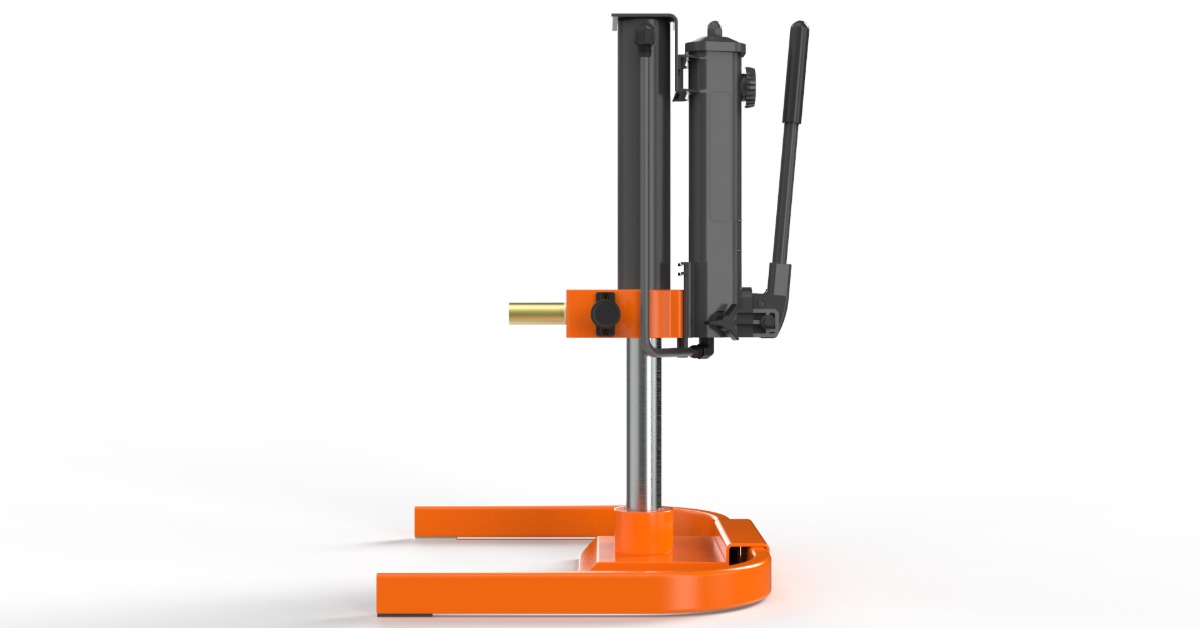
Even carefully planned development projects involve questions that engineers can't answer from drawings or specifications alone. A proposed mechanism may seem feasible in initial analysis, yet its performance under repeated loading may remain uncertain.
An experienced firm identifies those unknowns and determines which ones warrant further investigation before detailed development continues.
Engineers might build a focused test assembly to evaluate the mechanism rather than invest immediately in a refined design. The results can show whether the original concept still fits or needs modification.
This kind of investigation lets the team make decisions based on evidence gathered during development.
Communication matters here, too. Clients benefit when engineers explain the assumptions behind a recommendation and identify questions that remain unresolved. Open discussions about uncertainty make the work ahead easier to understand and help allocate resources accordingly.
Prototyping Should Answer Specific Engineering Questions
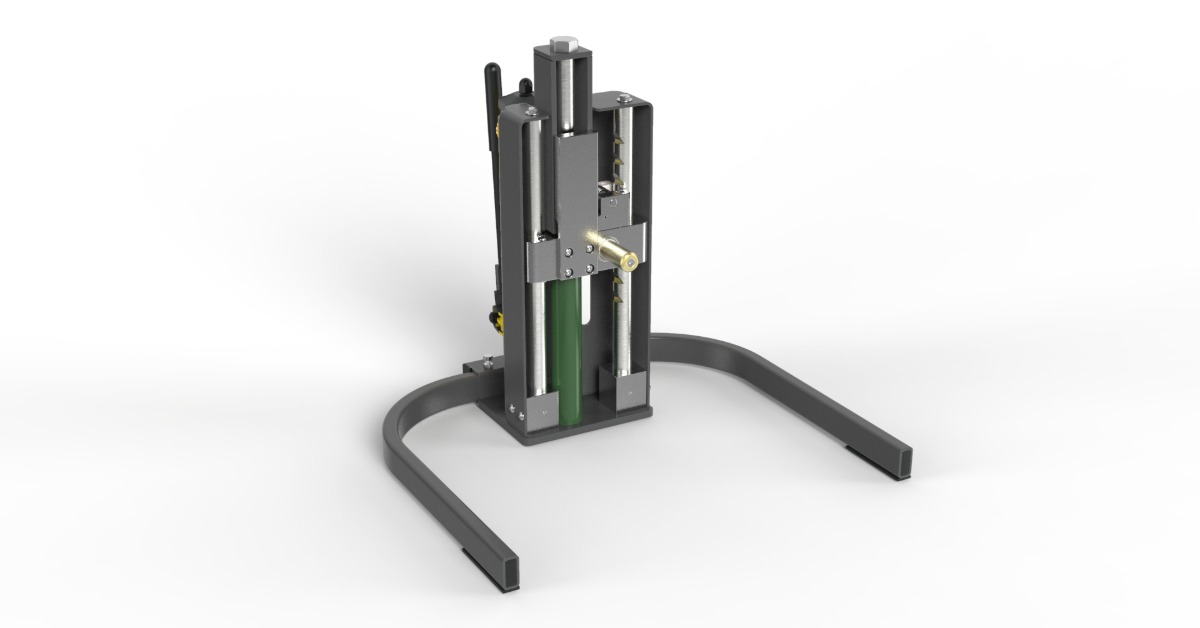
Prototyping plays an important role in product development, although different prototypes serve different purposes. An early model may help engineers evaluate a mechanism's function without representing the finished product's appearance or construction.
The objective is to answer a defined technical question and use the findings to guide further engineering work.
As development progresses, prototypes may incorporate more of the product's intended functionality. Engineers can evaluate how individual systems interact and investigate problems that weren't apparent during earlier testing.
However, functional validation and manufacturing preparation remain distinct stages.
After the primary prototype cycles establish confidence in the product's performance, detailed engineering and design for manufacturing help address production requirements. Teams may develop further prototypes to verify that manufacturing-related changes haven't compromised the product's function.
An engineering partner familiar with this progression can explain why different development activities occur and what each stage should accomplish.
Manufacturing Experience Influences Design Decisions
A functioning prototype represents meaningful progress, but preparing a product for manufacturing requires further engineering work. Production processes introduce requirements that may differ from those involved in early functional testing.
For instance, a housing that performs well during prototype evaluation may need geometry changes to accommodate an intended molding process. Engineers must consider how those modifications could affect the product's fit or performance.
Manufacturing experience helps engineering teams recognize these concerns and address them as the design matures.
The timing of that work matters. Detailed manufacturability reviews generally follow primary functional validation, when the team has established a technical direction worth refining for production.
For companies considering product engineering services, asking how a prospective partner handles the transition from validated prototypes to manufacturing preparation can provide useful insight into its development capabilities.
The Right Firm Works Alongside Your Existing Team
Businesses with established physical products often possess considerable internal engineering knowledge. Their employees understand the product's history and the requirements that have influenced previous design decisions.
An outside engineering firm should build on that knowledge rather than disrupt existing workflows with unnecessary changes.
Some companies need specialized technical capabilities for a particular development challenge. Others have experienced teams but lack the capacity to take on another demanding project.
A capable partner recognizes those differences and adjusts its involvement to suit the engagement.
The top engineering design firms stand apart by contributing sound technical judgment while respecting the client's existing expertise. Clear responsibilities and regular collaboration allow both teams to work toward the same development objectives.
Choosing an Engineering Design Partner With Confidence
Evaluating potential engineering partners involves understanding how they work beyond the examples in their portfolios. Ask how they handle uncertain requirements, explain technical trade-offs, and coordinate with internal teams. Their answers can reveal how they might manage the challenges that arise during your own project.
At SGW Designworks, we work with companies developing physical products and improving existing designs, including complex electromechanical systems. Our experience spans product engineering, prototyping, and manufacturing preparation so that we can support you at every stage of development.
If your team needs engineering expertise for an upcoming project, contact us today to discuss your requirements and how we can support your development efforts.