A product can make steady progress through development and still encounter an engineering problem that changes the project schedule. Sometimes, the issue comes from an assumption nobody questioned early enough.
Understanding how to reduce risk in new product development helps your team identify potential problems while there's still room to adjust the design. The challenge is recognizing which uncertainties deserve attention before they affect the next phase.
Identify Technical Risks Early
Every development project begins with assumptions about how a product will function. Some rely on established engineering principles, while others involve components or operating conditions your team hasn't evaluated.
We find it useful to distinguish between familiar engineering challenges and questions that require further investigation. For example, introducing a new actuator could raise concerns about mechanical loads or available installation space.
Early engineering reviews help identify these concerns before the design becomes more detailed. Your team can prioritize uncertainties by potential consequences rather than treating every possible problem equally.
Some questions warrant immediate testing, while others can wait until more information becomes available. Setting those priorities keeps engineering resources focused on decisions that could shape the project's direction.
Establish Clear Product Requirements
Even experienced engineering teams can encounter problems when product requirements leave too much room for interpretation. Different stakeholders may have different performance expectations, particularly when a product must operate across several environments.
Clear requirements provide a consistent reference when evaluating design alternatives. They also help prevent engineers from making decisions based on conflicting assumptions.
What Should Engineering Requirements Cover?
Depending on your product, requirements may address:
- Operating conditions: Temperature ranges, moisture exposure, and anticipated mechanical loads.
- Performance expectations: Functional limits and measurable acceptance criteria.
- Physical constraints: Installation space, weight restrictions, and interface dimensions.
- Regulatory considerations: Applicable standards that influence engineering decisions.
Requirements often evolve throughout development. Testing may reveal limitations, or your business may identify needs that weren't apparent during initial planning. When revisions occur, engineers should examine how they affect existing design decisions. A straightforward change in one area can introduce complications elsewhere in the product.

Address Integration Risks Across Engineering Disciplines
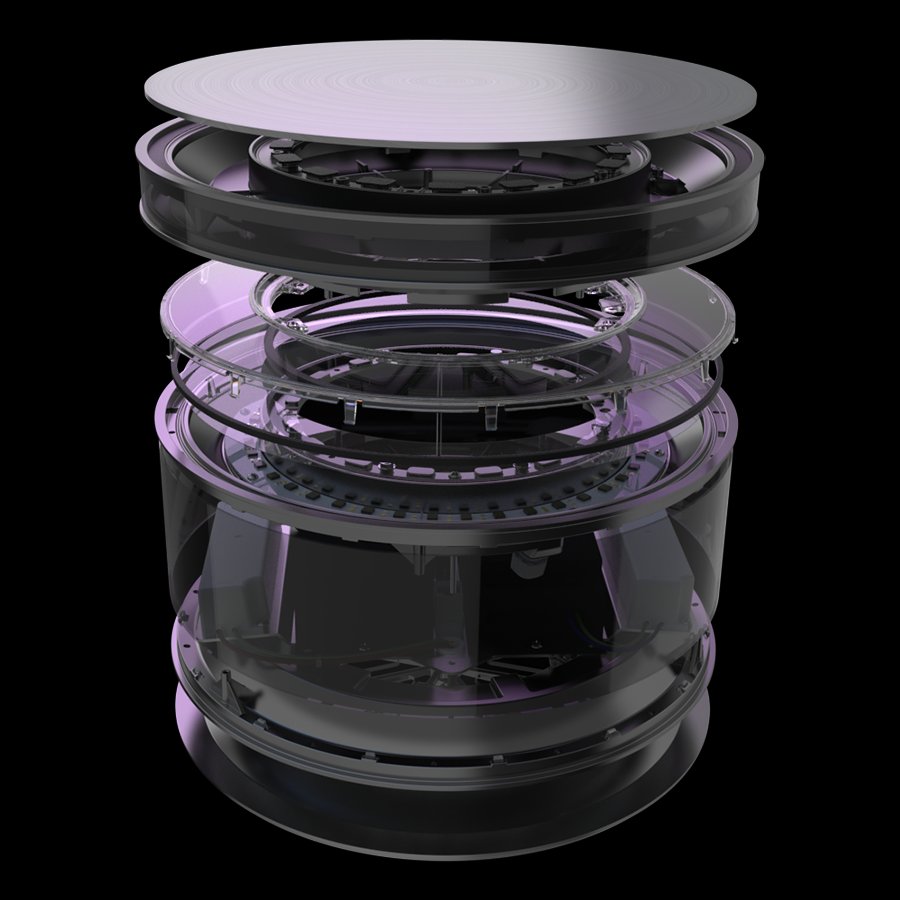
Complex electromechanical products require coordination between engineering disciplines. Mechanical changes can influence electrical performance, while component selections may affect the surrounding assembly.
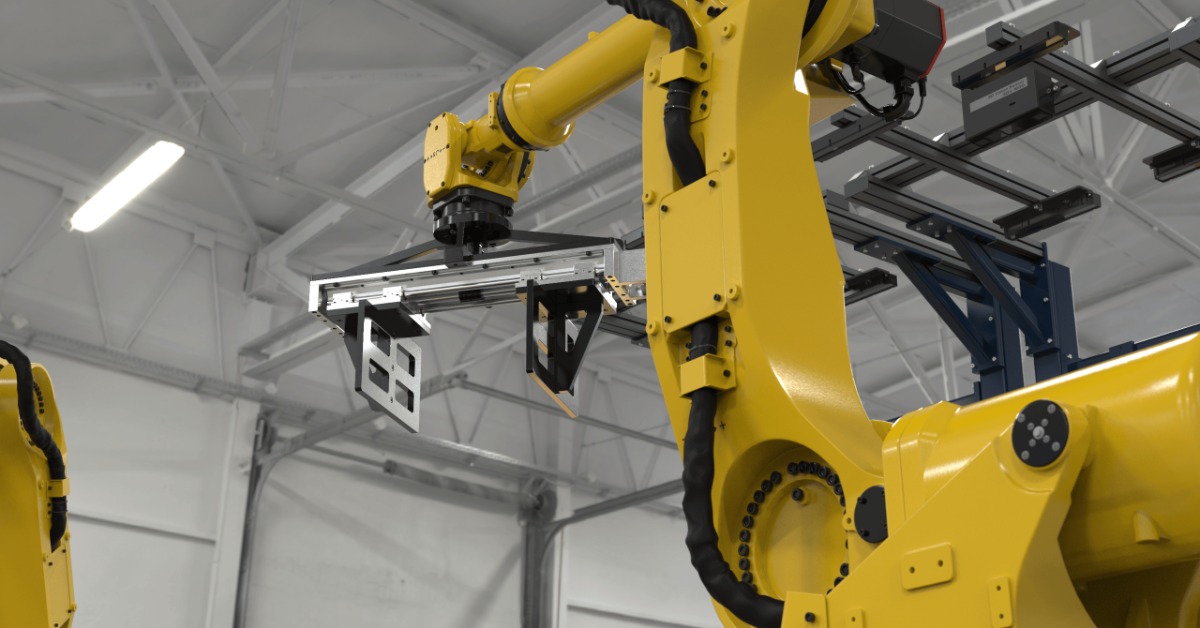
Consider a product that uses an electric motor to drive a mechanical mechanism. Selecting a different motor may change torque or mounting requirements, potentially affecting the loads neighboring components must accommodate. These relationships become harder to manage when different disciplines develop their portions of the product independently.
Through design process engineering, we examine how technical decisions interact across the product. Coordinating those decisions helps identify conflicts while still giving engineers flexibility to consider alternatives.
Regular design reviews also provide opportunities to evaluate revisions before they create problems elsewhere. For complex assemblies, understanding these interactions early can prevent substantial redesign work later.
Use Prototyping to Answer Engineering Questions
When we develop prototypes, we want each one to answer a specific engineering question. That might involve evaluating a mechanical mechanism or examining how a subsystem performs under expected operating conditions.
An early prototype doesn't necessarily need a polished enclosure or components that match the eventual production design. Its purpose is to provide evidence about functionality and technical feasibility.
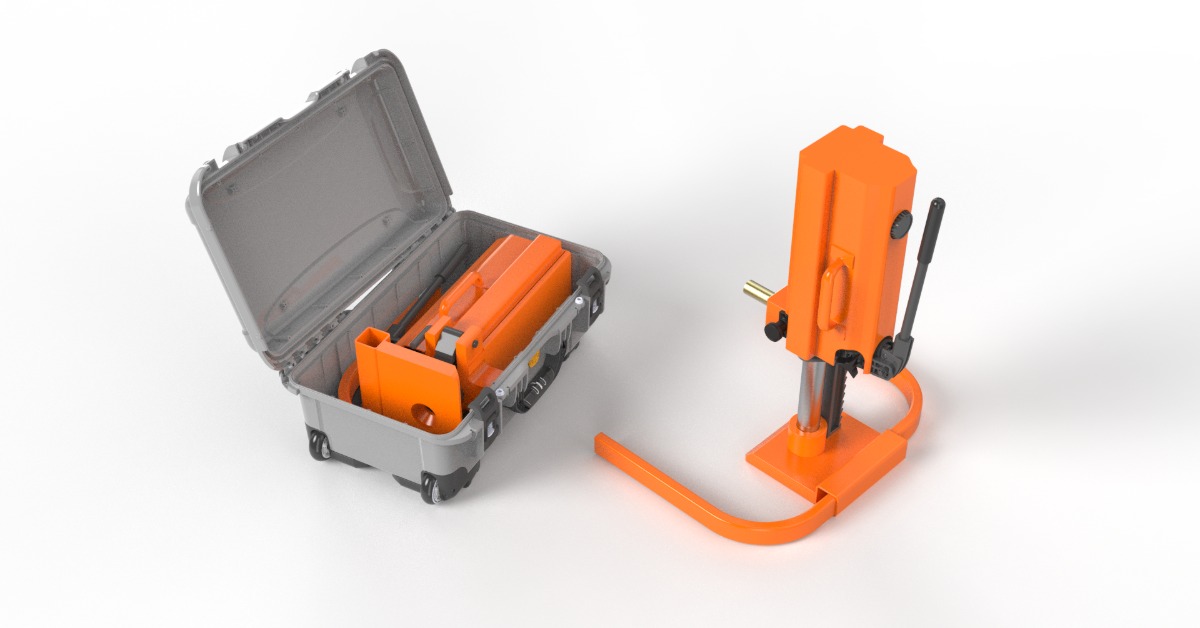
For example, a team developing a ruggedized device might build a test assembly to evaluate how a mounting arrangement responds to repeated loading. The results could reveal whether the proposed geometry performs as expected or requires modification.
Those findings give engineers a clearer basis for planning the next development cycle. Prototype testing doesn't always confirm the original direction. Sometimes, it reveals limitations that engineering analysis couldn't fully predict. Identifying those issues early allows your team to evaluate alternatives before investing further in a design that may require substantial changes.
Incorporate Testing Throughout Development
Testing provides greater value when it supports engineering decisions throughout development rather than serving as a final checkpoint. Early evaluations may focus on individual mechanisms or electronic subsystems. As the design matures, testing can examine how those elements perform together within the assembled product.
A mechanism might function correctly during isolated testing but behave differently after integration. Changes in loading or available movement could reveal limitations that weren't apparent during earlier evaluations.
Finding these issues while the design remains flexible gives engineers more opportunities to investigate solutions. We also value documenting test conditions and unexpected results. When engineers revise a design, those records provide context for comparing performance and determining whether the modification addressed the original concern.
Manage Design Changes Without Losing Direction
Design changes are a normal part of product development. Customer feedback may introduce new requirements, while engineering analysis can reveal opportunities to improve performance.
Problems arise when revisions move forward without considering their broader consequences. For instance, changing an internal component might require adjustments to nearby mechanical features. If your team overlooks those relationships, the revision could introduce problems elsewhere in the assembly.
Clear documentation preserves the reasoning behind earlier decisions. Without that context, engineers may revisit questions they've already resolved or overlook how a modification affects ongoing work.
It's also worth reviewing outstanding technical concerns at meaningful project milestones. Before committing to another development phase, your team should understand which questions remain unanswered and how they could influence upcoming decisions.
Evaluate Manufacturing Risks After Functional Validation
A successful functional prototype represents an important milestone, but it doesn't establish manufacturing readiness. The engineering work that follows addresses a different set of questions.
Once we've validated the product's primary functions, design for manufacturing (DFM) helps us evaluate how to translate that design into a repeatable production process. Engineers may review part geometry against the intended manufacturing method or examine assembly requirements. Material selections may also deserve further consideration as production needs become clearer.
For example, a housing that performs well during prototype testing may require geometry changes to accommodate injection molding. Adjustments to wall thickness or internal features could affect its mechanical performance.
When manufacturing-related revisions influence the validated design, further testing can help confirm that functionality remains intact. We treat manufacturing preparation as a distinct engineering phase because early functional prototypes aren't necessarily intended to answer production-related questions.
Reduce Development Risk With Experienced Engineering Support
Even experienced product teams encounter technical challenges that require specialized expertise. Companies with existing products may also need to balance new development work against ongoing engineering responsibilities.
Reducing risk throughout new product development means recognizing uncertainties and addressing them at the right stage. Clear requirements and purposeful testing guide early decisions, while manufacturing preparation addresses challenges that emerge after functional validation.
At SGW Designworks, we work with companies developing complex physical products, providing engineering expertise throughout the development process. If your team needs support navigating technical challenges or preparing for its next development milestone, contact our team to discuss how we can help.