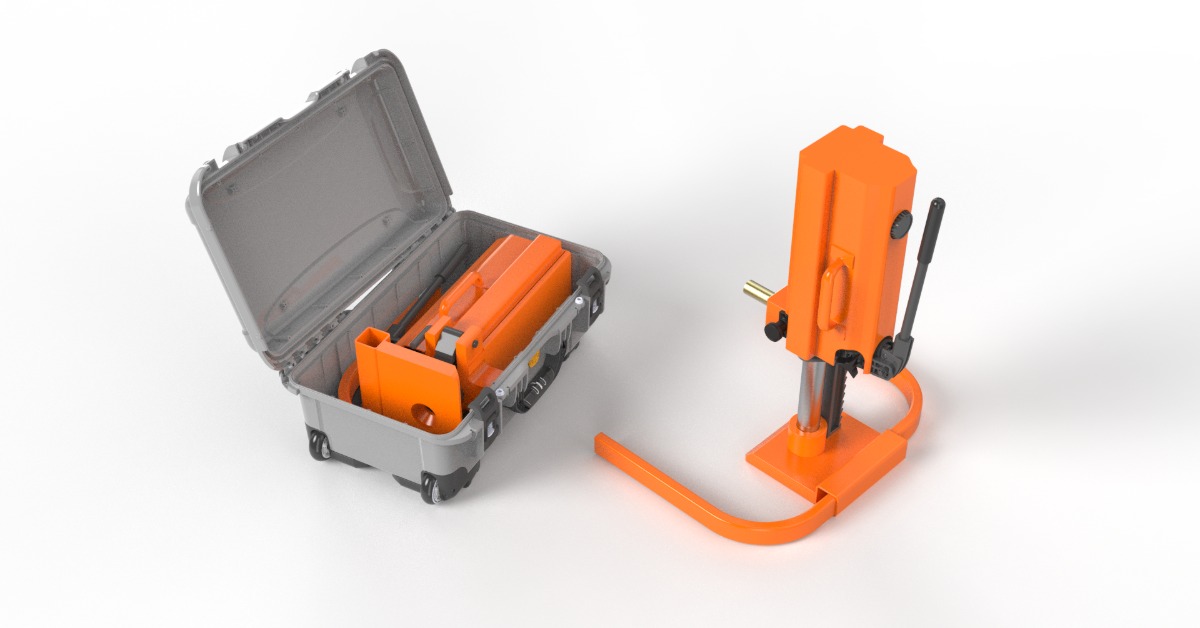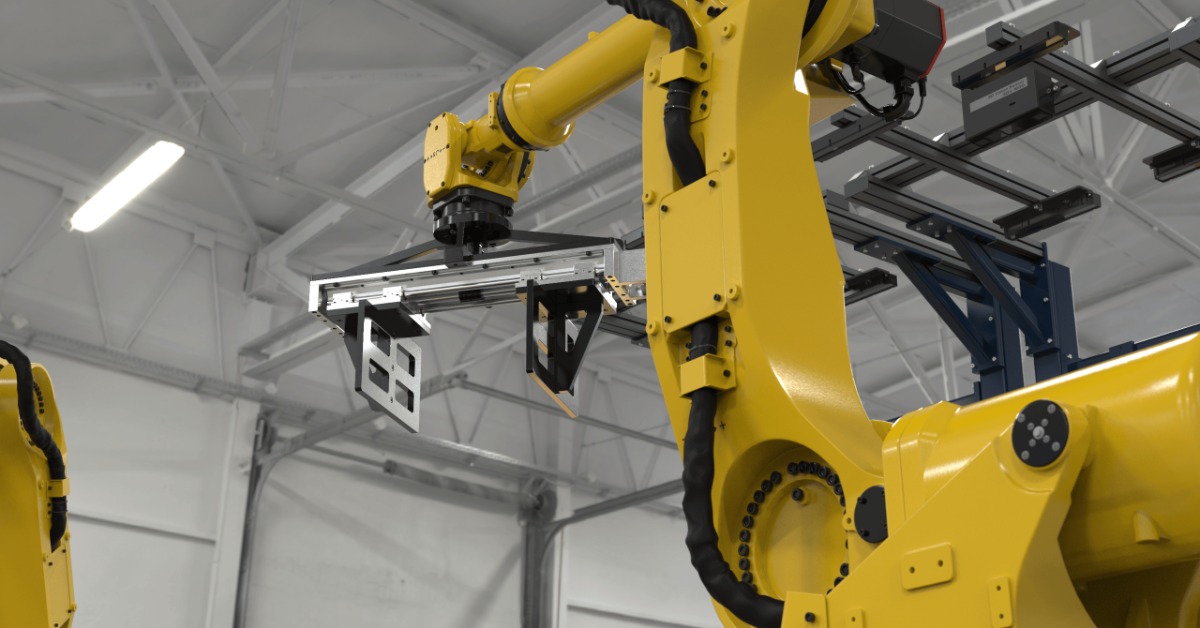
A product concept can look promising on paper, but translating it into a functioning physical system often reveals questions that weren't apparent during initial planning. Component placement may affect the overall dimensions, while structural requirements can influence how engineers develop the product's internal architecture.
Early mechanical design input helps teams work through these considerations while they still have design flexibility. Addressing mechanical requirements early can provide clearer technical direction and help avoid decisions that become difficult to revisit later.
Why Mechanical Engineering Belongs in Early Development
Mechanical engineering plays a substantial role in determining how a product will function as a physical system. Even products that rely heavily on electronics or software need a mechanical configuration that supports their intended operation.
When mechanical engineers join the development process early, they can evaluate requirements before the team commits to detailed designs. Their involvement helps identify physical constraints that may influence the product's architecture or require changes to the original concept.
For businesses developing complex hardware, these discussions can also clarify where further analysis is necessary. Some decisions may seem straightforward at first, but closer examination can reveal competing requirements that need attention before development progresses.
Establishing a Feasible Product Architecture
Before engineers develop detailed components, they need to understand how the product's major systems will fit together. This involves examining the available space and determining how the proposed configuration supports the product's functional requirements.
Consider equipment that incorporates motors, electronic assemblies, and structural components. Placing one element can affect the space available for another, potentially requiring changes to the overall configuration.
Preliminary CAD models let engineers evaluate these relationships without committing to final component geometry. They can compare different arrangements and identify physical limitations that might otherwise emerge during detailed development.
At this stage, the objective is to establish a feasible architecture that provides enough direction for subsequent engineering work while leaving room for refinement.
Identifying Mechanical Risks Before They Affect Development
Some engineering challenges become more difficult to address as a design progresses. For example, a mechanism may require additional clearance after engineers have already established the surrounding geometry.
The value of early mechanical design input becomes apparent when teams identify these concerns while alternative configurations remain available.
Early mechanical reviews can help engineers evaluate questions such as:
- Can the proposed structure withstand the expected operating loads?
- Will moving components have adequate clearance during operation?
- Can technicians access components that require maintenance?
- Does the configuration account for expected thermal expansion?
These questions don't always have immediate answers. Some require engineering calculations, while others call for simulation or physical testing.
Recognizing these uncertainties early helps teams determine which areas need further investigation and where they can proceed with greater confidence.
Coordinating Mechanical and Electrical Engineering
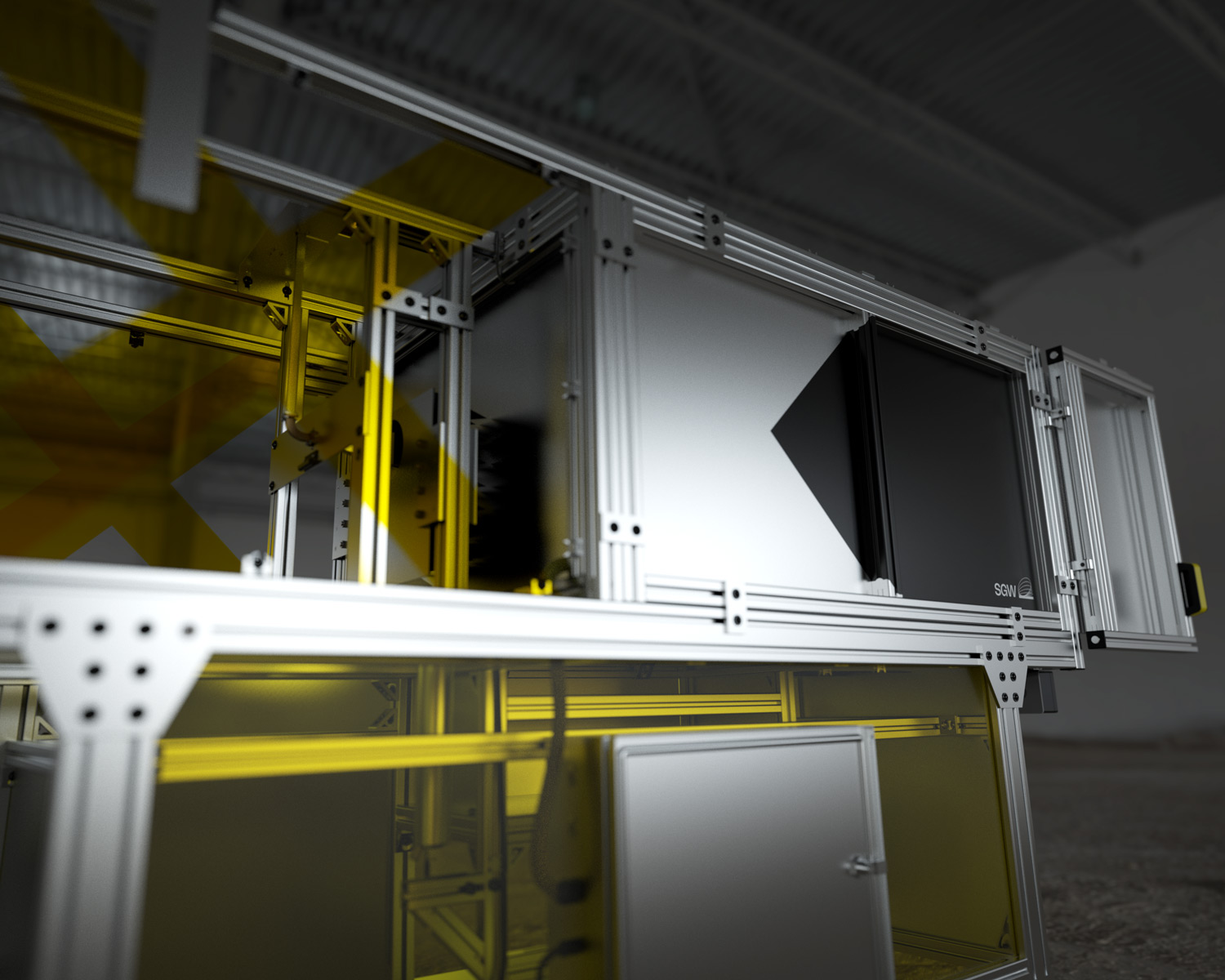
Complex electromechanical products require close coordination between disciplines because decisions in one area frequently affect another.
Electrical engineers may prefer a particular circuit board arrangement based on system functionality, while mechanical engineers must account for mounting provisions and connector accessibility. Changes to the enclosure can also affect cable routing, prompting revisions to the electrical layout.
Without early coordination, these interactions may surface after each discipline has invested considerable effort in its respective design.
Bringing the teams together during initial development allows engineers to discuss physical constraints while they still have flexibility. It also establishes a shared understanding of which requirements will influence the broader product architecture.
That coordination becomes particularly valuable when limited internal space leaves little room for adjustments.
Making Informed Material and Structural Decisions
Material selection involves more than choosing a substance with suitable mechanical properties. Engineers must consider how the material will perform within the proposed geometry and under the product's expected operating conditions.
A structural housing, for instance, may need enough stiffness to support internal assemblies without excessive deflection. If the product experiences repeated loading, engineers may also need to evaluate fatigue behavior before settling on a design direction.
Evaluating Structural Performance Early
Preliminary calculations and engineering simulations can help teams investigate how a proposed structure might respond to anticipated loads. These evaluations may reveal areas that need additional support or indicate where geometry changes could improve performance. Engineers can use the findings to refine the design before committing resources to physical builds.
Analysis doesn't eliminate the need for testing, however. Actual operating conditions may introduce variables that preliminary models cannot fully represent. Early engineering work helps identify which assumptions need validation and provides a technical basis for later design decisions.
Using Early Engineering to Guide Prototyping
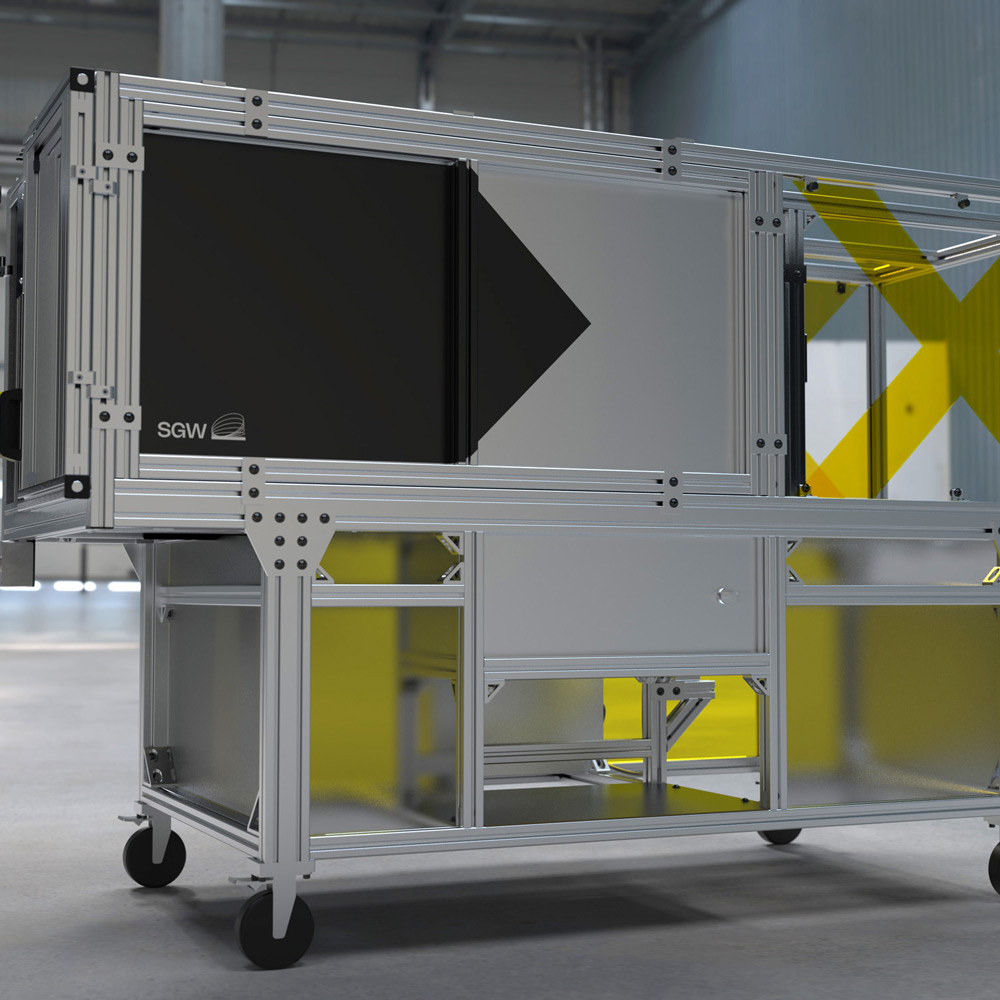
Prototyping works best when engineers understand the questions they want each build to answer. Mechanical analysis during early development helps identify which design aspects require physical evaluation.
A team developing a moving mechanism, for example, may need to investigate its range of motion before refining the surrounding enclosure. Another project might require structural testing to determine whether a proposed component performs adequately under repeated loading.
These objectives can guide decisions about what the prototype needs to include and which details can remain simplified.
Engineers can incorporate test findings into later design iterations, addressing functional concerns before advancing into detailed manufacturing preparation. This progression also helps distinguish between validating a product's operation and preparing its design for repeatable production.
Connecting Early Design Decisions to Manufacturing
Although detailed manufacturing preparation generally follows primary prototype validation, engineers can still consider obvious production constraints during earlier development.
A proposed geometry may challenge injection molding, or an assembly configuration might create unnecessary production difficulties. Recognizing these limitations lets engineers consider alternatives before the design becomes too developed.
However, early mechanical engineering doesn't replace the dedicated design-for-manufacturing phase. Following functional validation, engineers can examine manufacturing processes and refine component geometry with production requirements in mind. This later work provides a more detailed assessment of manufacturability and associated costs.
At SGW Designworks, our mechanical design services support the engineering decisions that connect a product's functional requirements with its physical design, including the refinements needed as development advances toward production.
When Should You Involve Mechanical Engineering Support?
The appropriate timing depends on your product's technical requirements and the engineering resources available within your organization.
For projects involving complex mechanisms or closely integrated electrical systems, early mechanical involvement can help clarify design constraints before the team invests heavily in detailed development. Businesses with established engineering departments may also benefit from outside expertise when a project requires specialized capabilities or additional development capacity.
At SGW Designworks, we work alongside product development teams to address mechanical engineering challenges throughout the development process. We understand how early decisions shape the technical options available as a product moves from concept to physical validation.
If your team is evaluating a new product or refining an existing design, contact our team to discuss your engineering requirements and how we can support your next stage of development.