.jpg)
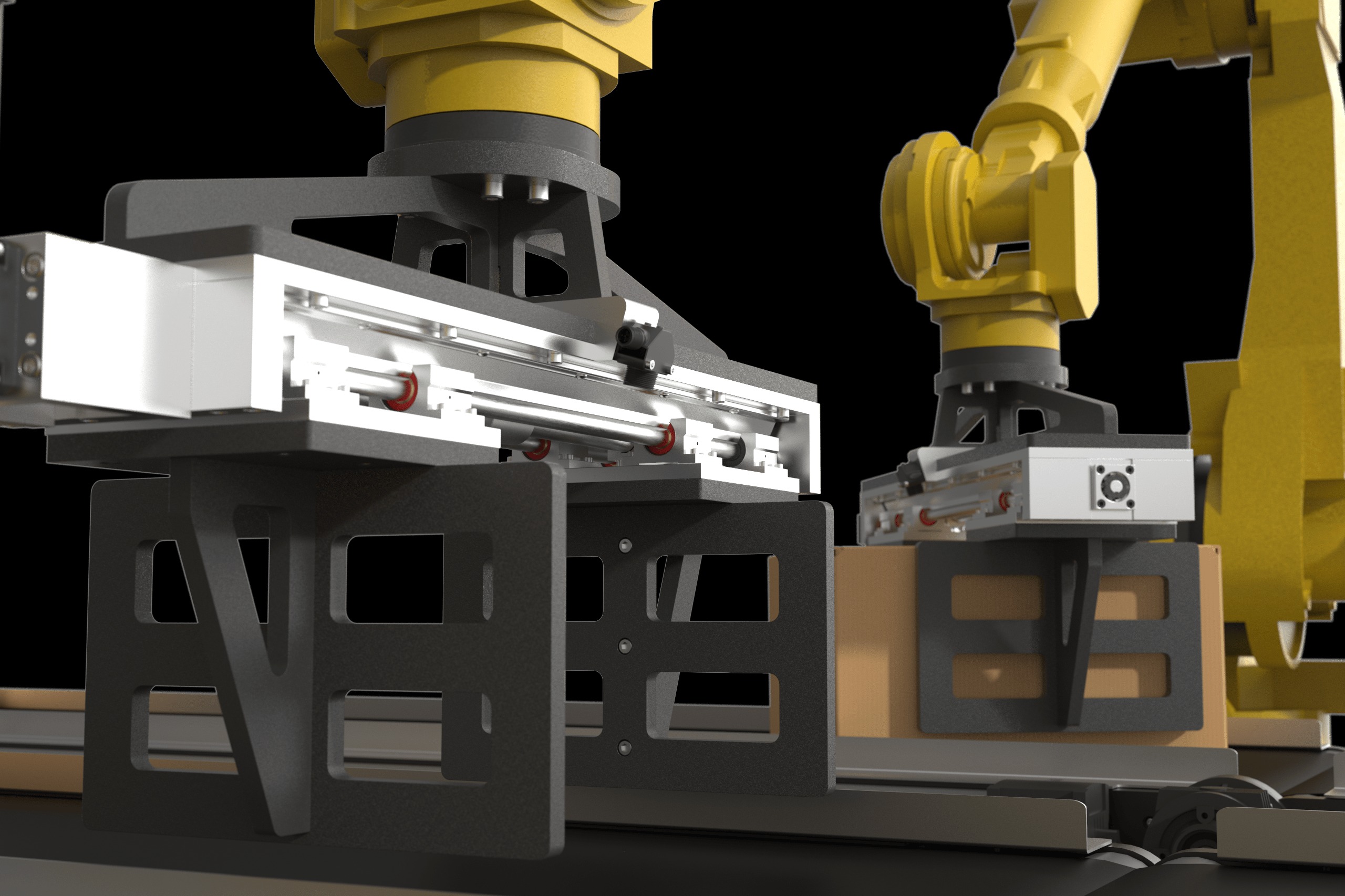
A working build can still leave a product team with questions that need answers before development moves forward. A mechanism may perform well during an initial test but respond differently after repeated use, or an enclosure may reveal fit issues once physical parts come together.
Prototype quality can shape production success because thoughtful testing gives the team useful evidence while the design still has room to change. What we learn during those tests can influence the engineering decisions that follow.
We don’t view a useful prototype as a polished version of the final product. It needs enough fidelity in the right areas to answer the question behind the build. Keeping that purpose clear helps teams spend development time where it provides useful information.
Start With What the Team Needs to Know
Every build should answer a question. Early in development, engineers need to confirm if a mechanism works or evaluate interactions.
As design progresses, testing narrows to specific technical questions. We prefer defining that purpose upfront, which helps separate essential characteristics from minor details. The question also lets the team assess outcomes by comparing test results with expectations, guiding whether another iteration is needed.
Without this, even a successful test offers limited direction. A polished model may seem convincing but lack clear objectives, leaving critical technical questions unresolved.
Match Fidelity to the Test
Higher fidelity doesn’t automatically produce better information. The right level of detail depends on what the team wants to evaluate.
A fit check may require accurate dimensions while placing little importance on exterior finish. An ergonomic evaluation has different priorities because the shape and physical interaction need enough accuracy to produce useful feedback.
Before committing to a build, we find it helpful to ask:
- What question should this iteration answer?
- Which characteristics need accurate representation?
- What result would support the next design decision?
- What can we leave out without affecting the test?
These questions keep development focused on useful evidence rather than arbitrary refinement.
They can also prevent the team from spending time on details that won’t improve the evaluation. Refinement has value when it supports the test. When it doesn’t, that effort may make a model look further along without giving engineers better information.
Better Builds Produce More Useful Test Information
Test results carry more value when the hardware accurately represents the characteristics engineers want to evaluate. If unrelated variables influence the outcome, separating a design issue from something introduced during fabrication becomes harder.
Consider an assembly where the team needs to evaluate clearances between moving components. Accurate geometry matters because dimensional differences could affect the result, while surface appearance may have little bearing on the same evaluation.
Functional testing creates similar requirements. We want enough fidelity in the relevant system to understand its behavior under defined conditions. Maximum detail isn’t the goal. The build needs to provide evidence that supports the next design decision.
Good test information also makes the next iteration easier to define. Rather than changing several parts of a design without a clear reason, engineers can focus their attention on what the previous evaluation revealed. That keeps iteration grounded in evidence rather than guesswork.
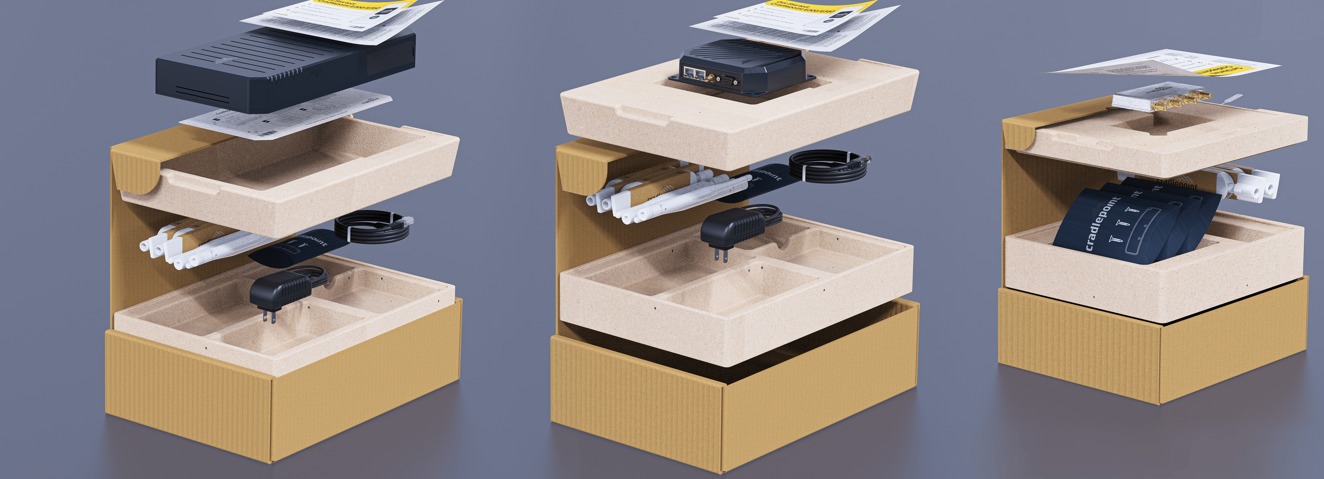
Problems During Testing Can Move the Design Forward
A failed test doesn’t automatically mean the build failed its purpose. Some of the most useful testing exposes an assumption that needs another look.
Physical testing can reveal component interference or behavior that differs from earlier expectations. At that point, the team has something concrete to investigate while revisions remain a normal part of development.
The next iteration can address what testing uncovered. Engineers can evaluate the change against the same question or adjust the test when new information points toward a different concern.
Over successive builds, the team can narrow uncertainty and gain confidence in the decisions that will carry into later engineering. That doesn’t mean every question disappears. It means the remaining questions become clearer as the product develops.
Validation Gives Later Engineering a Better Starting Point
Questions evolve as a product develops, from broad feasibility in early testing to detailed feature and system interactions later on. Test results inform design decisions and guide future development.
They also help understand why a design reached its current state, linking features to testing and revisions. Clear documentation of test-backed decisions and unresolved questions at the detailed engineering stage provides a solid foundation for the next phase.
A Successful Prototype Isn’t a Production-Ready Design
We take this distinction seriously. A successful prototype marks meaningful progress, but substantial engineering work still follows. It can show the product performs as intended under the tested conditions, but it doesn’t prove a manufacturer can repeatedly produce the design at the required cost or volume.
After primary validation cycles, detailed engineering and DFM sharpen manufacturing requirements. Engineers review the design against intended processes and incorporate input from manufacturing partners. This may lead to changes in features that initially performed well during validation. Manufacturing processes can introduce constraints not evident earlier, adding new engineering decisions.
Production revisions might require another build to ensure changes haven’t impacted function or usability. Since manufacturability and cost assessment differ from primary validation, maintaining clear separation of development stages is important.
Choose a Build Method Around the Question
The manufacturing process should support what the team needs to evaluate. Additive manufacturing may suit one iteration, while CNC machining or fabricated components may make sense for another.
Geometry and material requirements can influence that choice, along with the characteristics engineers need to test. We don’t need every build to use the process eventually planned for production. The method needs to make sense for the current development question.
Effective prototype manufacturing supports that question rather than dictating it. Choosing a suitable process gives the team the physical evidence it needs without adding refinement that contributes little to the evaluation.
As development progresses, the appropriate build method may change as the questions change. That flexibility lets the team select a process based on what it needs to test at that stage, rather than treating one method as the default throughout development.
Carry Better Information Into Later Development
Good validation doesn’t remove the engineering work required before production. It gives the team better information for making decisions during that work.
That connection explains why prototype quality can shape production success. When each iteration answers a defined question, teams can enter detailed engineering with fewer unresolved assumptions about product function and behavior.
The goal isn’t to make an early build behave like a production unit. We want each stage of development to answer the questions that belong there, giving the next stage a stronger foundation to build on.
We help product teams work through these questions during prototyping, testing, and the engineering stages that follow. If your team could use outside engineering support during a challenging point in development, contact SGW Designworks to discuss what comes next.