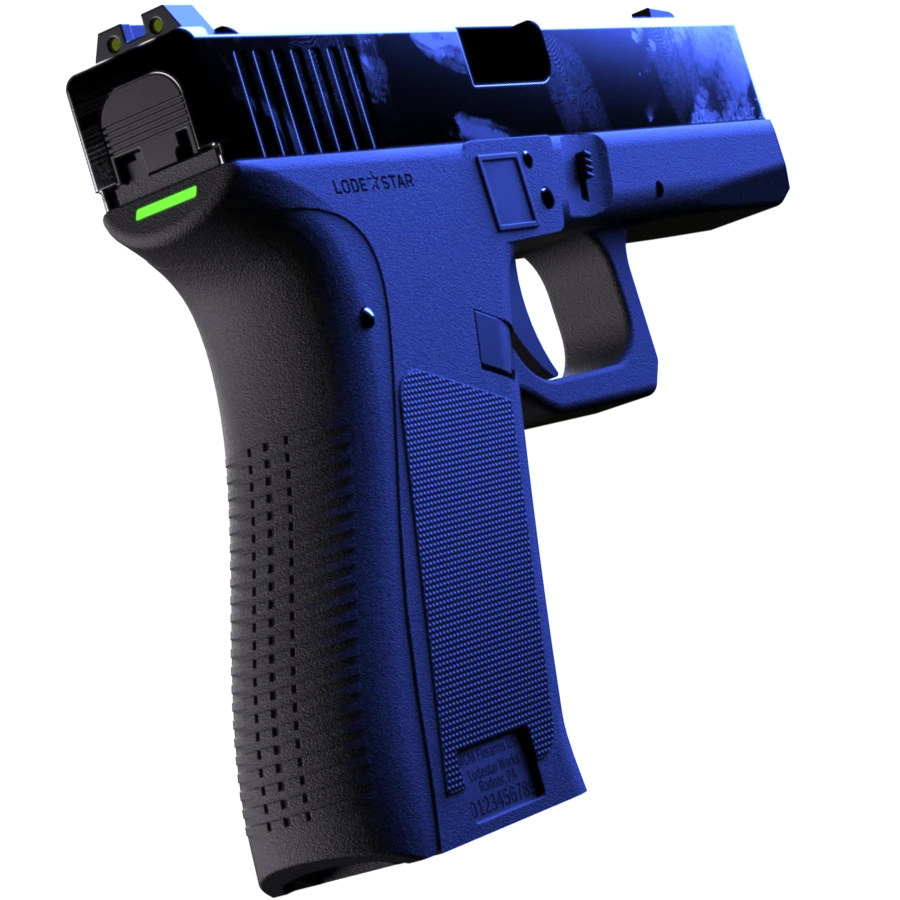


Questions a proof of concept answers
- Can the core function work with available technology?
- Which features matter most to target users?
- Will the architecture fit the size, weight, and cost targets?
- Which requirements are real constraints, and which are assumptions?
Build, test, learn
We apply a build-test-learn cycle to proof-of-concept work. Results feed directly into the next round of design through iterative prototyping, and engineering analysis answers questions that do not need a physical build.
Where it fits
Proof-of-concept work is the foundation of a development plan built around technical risk reduction. It is part of our product design services.
Frequently asked questions
What is the difference between a proof of concept and a prototype?
A proof of concept answers a specific question, often about function or feasibility. Later prototypes bring the full design together in a form closer to production.
Do I need a complete specification before starting?
No. Proof-of-concept work often helps define the specification by showing which requirements are real constraints.
Can you test a concept that another team started?
Yes. We can review existing concepts, identify the riskiest assumptions, and plan builds or analysis to test them.
What do I get at the end?
Test results, the builds themselves, and recommendations for the next stage of development.
Related capabilities
Meet with us
Discuss your current development projects, approach, team, and goals

We'll propose the initial step
Our team defines the first body of work based on your business realities
See results
Realize the benefits of an award winning team focused on your project


