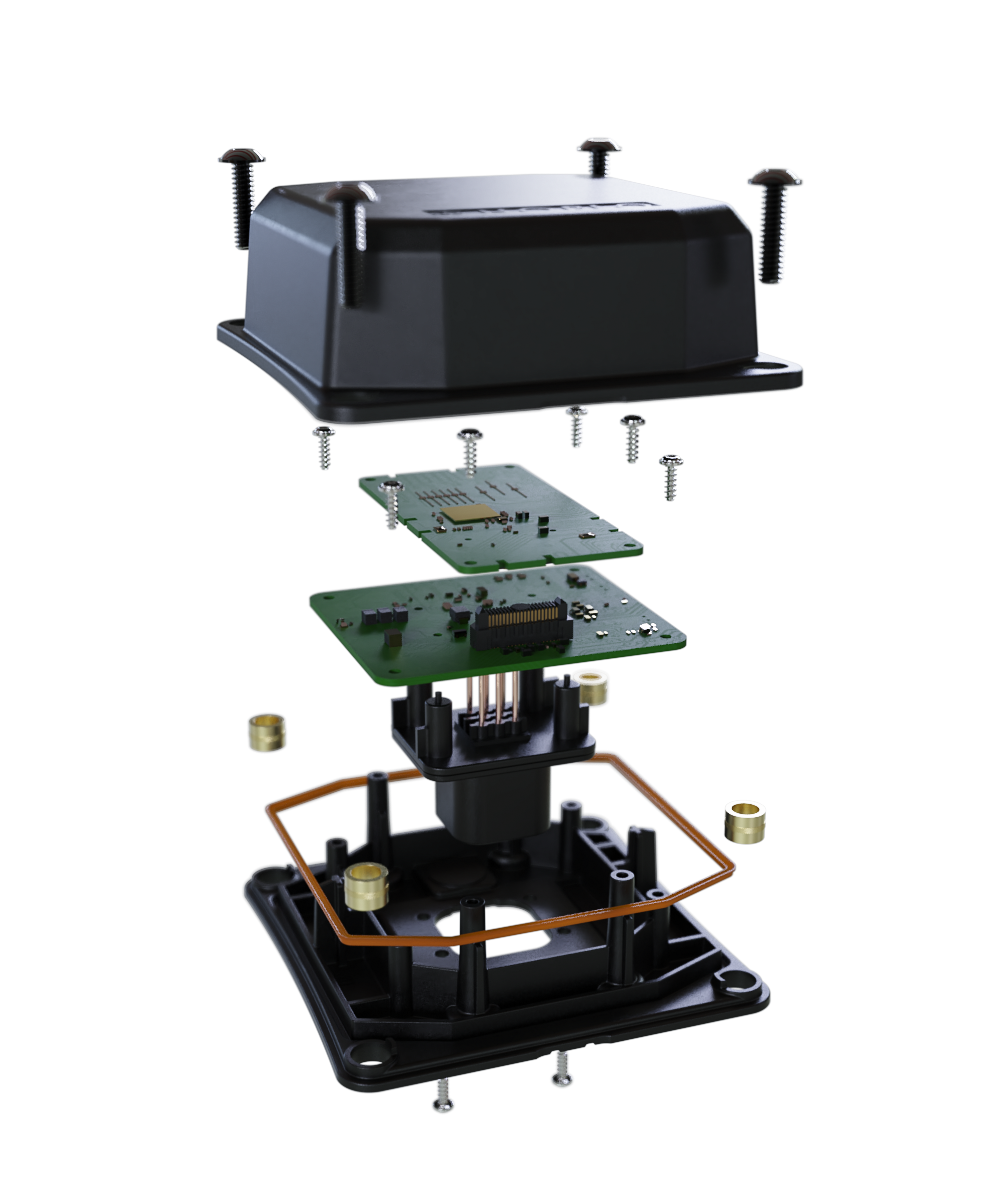


Risks we plan around
- Feature and function feasibility
- Design interdependencies that drive rework
- Production intent feasibility and cost
- Target user assumptions and product fit
How we reduce risk
We test the riskiest assumptions first with proof-of-concept development, answer design questions with engineering analysis, and confirm results through iterative prototyping.
Where it fits
Risk-focused planning shapes every program we run. It is part of our product design services, and teams that need ongoing technical leadership can also work with a fractional hardware CTO.
Frequently asked questions
What is the difference between product risk and technical risk?
Product risks relate to users, market fit, and financial viability. Technical risks relate to feasibility, design interdependencies, and production.
When should risk planning happen?
At the start of a program, and again at each milestone as new information comes in.
Can you review a program that is already underway?
Yes. We can review the current design and plan, identify open risks, and recommend next steps.
Does reducing risk add cost?
Testing risks early costs less than finding problems during tooling or after launch.

Related capabilities
Meet with us
Discuss your current development projects, approach, team, and goals

We'll propose the initial step
Our team defines the first body of work based on your business realities
See results
Realize the benefits of an award winning team focused on your project


