.jpg)
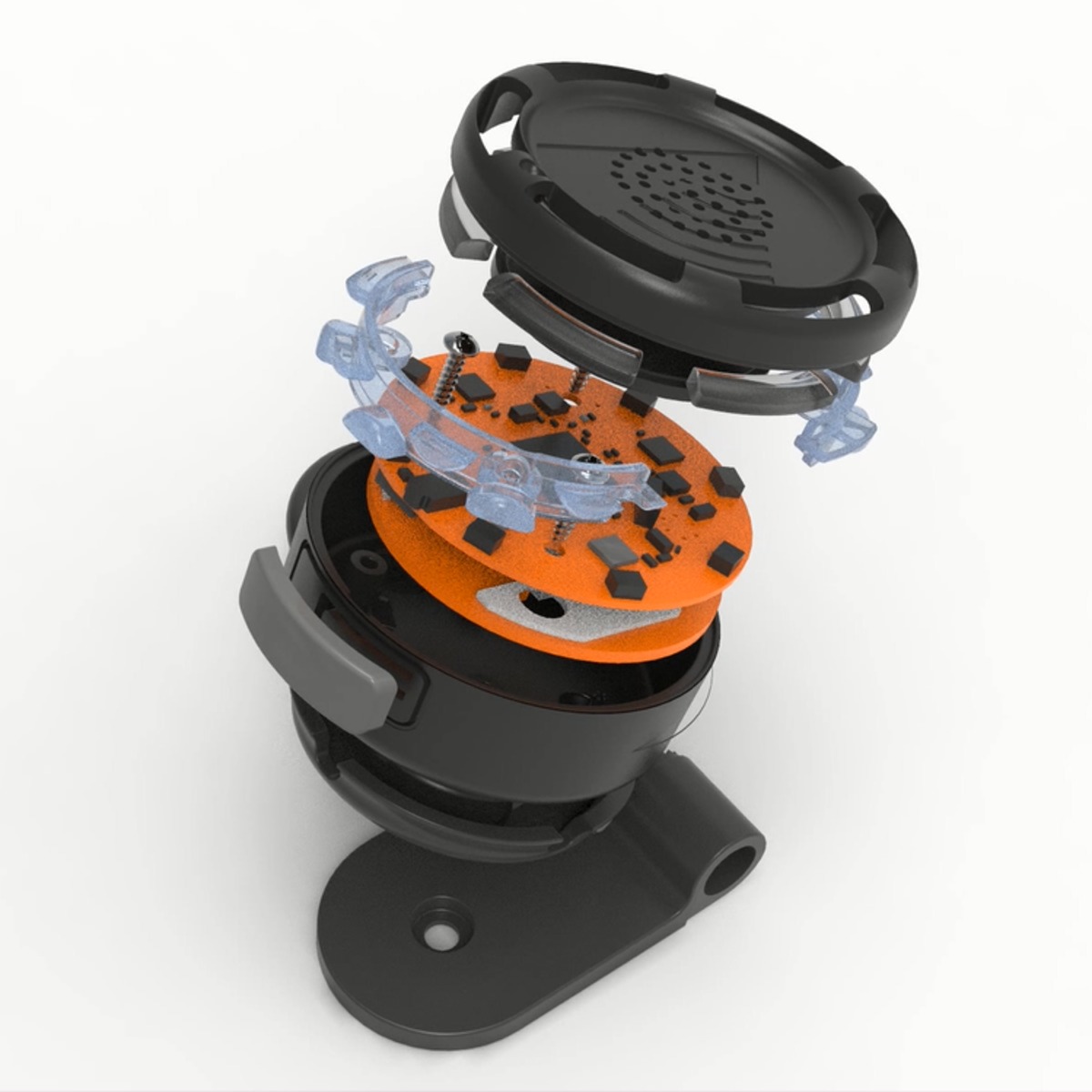
A product concept can look clear during planning and still carry major unanswered questions. Once engineers begin testing real hardware, power limits, signal behavior, and physical constraints start shaping the design in ways that drawings can’t show. That’s why electronics prototyping holds an important place in product design for products that depend on hardware, firmware, and mechanical integration.
A targeted prototype provides the team with proof to support the next development phase, where each decision relies on previous hardware validation. Its value lies in clarifying what the prototype verifies, what it questions, and how these insights influence future engineering efforts.
Early Prototypes Give Ideas Something Concrete to Prove
A schematic shows how a circuit is intended to work. A prototype reveals how it performs once the team begins testing it. Engineers can measure power consumption, compare components, and study how the system responds during use.
Those findings help the team choose a stronger technical direction and uncover assumptions that may have slipped through earlier planning.
An early prototype doesn’t need polished housing or final production parts. It needs a clear purpose. Once the team defines the question it wants the prototype to answer, it can choose the testing method that will provide the most useful result.
Rough Builds Often Provide the Best Early Answers
Teams sometimes expect too much from the prototype. They want one build to prove function, fit the enclosure, support firmware work, and resemble the finished product.
That expectation can slow progress.
Development boards, temporary wiring, and off-the-shelf modules often give engineers enough information to compare technical options. These tools also make changes easier when the design still has room to move.
The prototype should match the decision at hand. A bench setup may work well for evaluating sensors or processors. A more integrated build may make sense when the team needs to study controls, packaging, or system behavior.
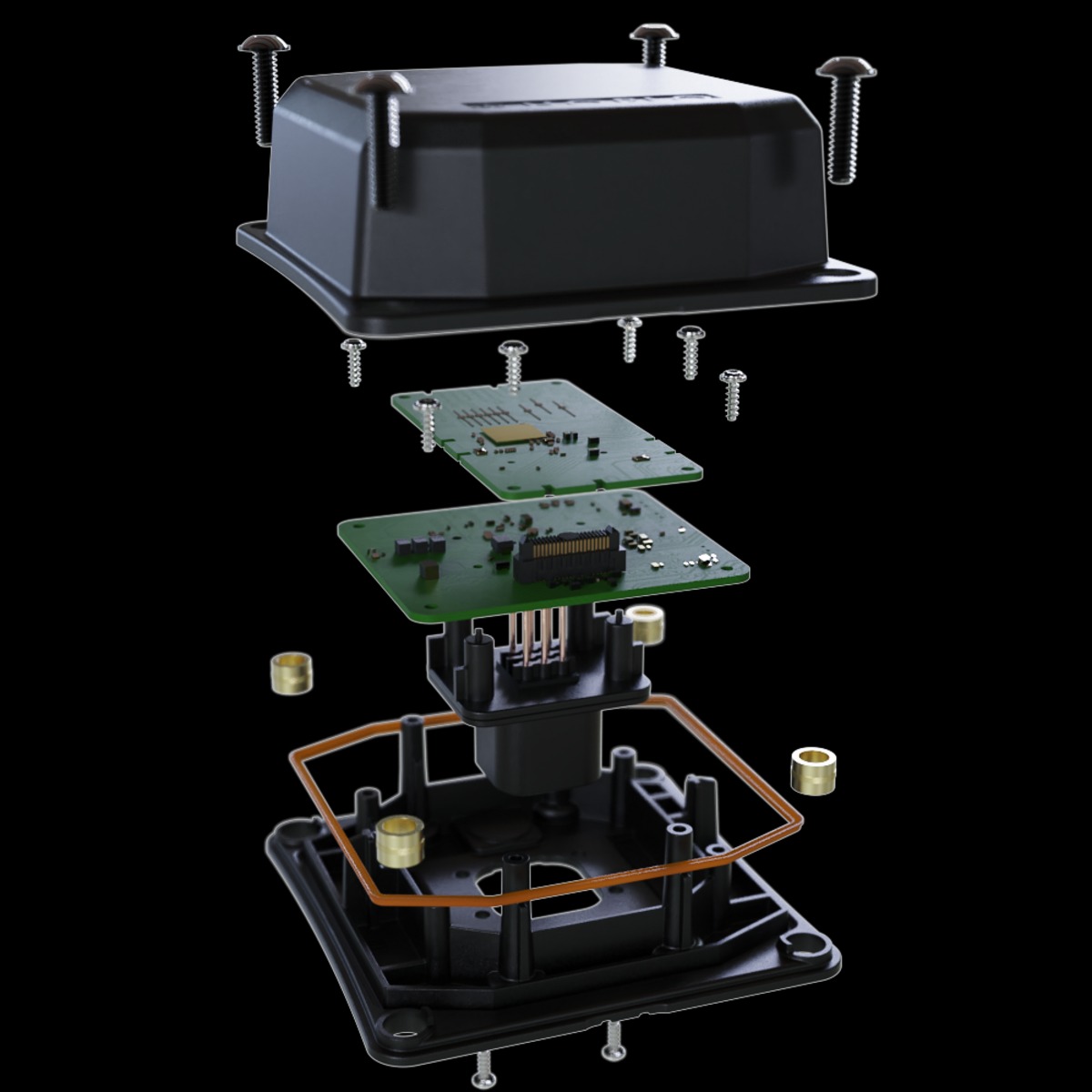
Prototyping Helps Refine Product Requirements
Product requirements often begin with hidden assumptions. A team may know the feature it wants, yet it may not know how much power that feature will consume or how users will respond to it.
Working hardware gives the team a way to test those details. A prototype may show that a display drains the battery faster than expected. It may reveal that a control feels slow or that a sensor struggles in the intended environment.
Those findings help the team sharpen the requirements. They can also expose conflicts between goals. A smaller enclosure may limit antenna placement, while higher processing power may create more heat. Early testing gives the team room to decide which tradeoffs support the product best.
Electrical and Mechanical Decisions Develop Together
Electronics don’t operate separately from the physical product. Board size affects internal packaging, connector placement affects assembly, and heat influences enclosure design.
A circuit may work well on the bench and struggle once it sits inside the product. Wireless range may drop. A port may become difficult to reach. A hot component may sit too close to a battery or sensor.
Integrated prototypes help electrical and mechanical engineers evaluate the same system. That shared view makes it easier to catch conflicts before they spread into other parts of development.
Questions an Integrated Prototype Can Answer
A focused build can help the team evaluate:
- Whether the board fits the available package
- Whether users can reach ports and controls
- Whether heat affects nearby components
- Whether the enclosure changes wireless performance
- Whether technicians can access parts for service
These questions connect circuit decisions with product use and physical performance.
Firmware Testing Improves on Custom Hardware
Firmware work often starts on development kits. Those platforms support early code development, though they don’t recreate every condition the product will face.
Custom prototype hardware gives firmware engineers a closer version of the intended system. It can reveal timing problems, communication failures, or power-management issues that never appeared on a generic board.
It also helps electrical and firmware teams trace problems with greater confidence. The source may sit in the circuit or the code. In some cases, the issue stems from how both interact. Real hardware gives the team better evidence for finding the cause.
Custom PCB Development Raises Prototype Fidelity
Temporary wiring and development boards eventually reach their limits. The team may need custom hardware that reflects the intended circuit, component choices, and packaging constraints.
That’s where PCB design services support the move toward a board built around the product itself. Engineers can develop the schematic, lay out the board, select components, and prepare files for fabrication and assembly.
The first custom PCB may still require revisions. Its value lies in providing the team with a more accurate platform for testing electrical behavior, firmware, and system integration. Each revision should answer a narrower set of questions and move the design closer to the intended product.
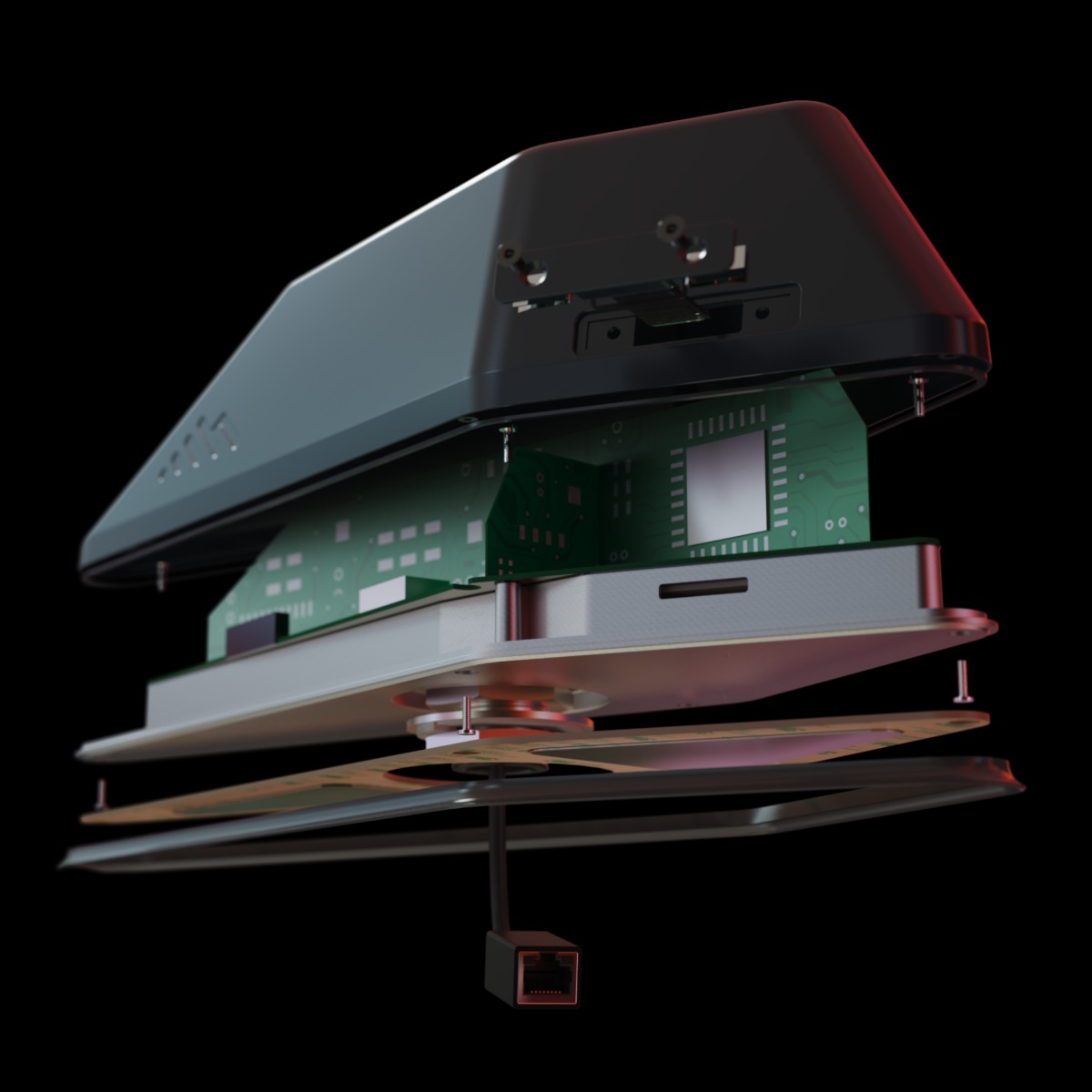
Every Prototype Needs a Defined Purpose
Prototype cycles lose value when the team tests without a clear goal. Broad testing can produce a large amount of information without clarifying what should change.
A useful test plan defines what the team wants to measure and how it will judge the result. It also states what decision the test should support.
One build may confirm the core circuit. Another may examine the electronics inside the enclosure. A later prototype may support environmental testing after the design has matured.
Clear goals help the team choose the right level of refinement. They also create a stronger record of what the design has proven and what still needs work.
A Working Prototype Doesn’t Signal Production Readiness
A successful prototype proves that the product can perform its intended function under defined conditions. It doesn’t prove that the design can move into production without further engineering.
After primary prototype validation, the team still needs to address manufacturability, production documentation, supplier requirements, and quality planning. Later prototypes may incorporate those changes to confirm that DFM work hasn’t weakened function or usability.
Keeping this distinction clear helps teams avoid moving forward too early. The prototype establishes technical confidence. The next phase prepares the design for repeatable production.
Better Prototype Planning Supports Better Decisions
The strongest prototypes help the team decide what to keep, what to change, and what still needs investigation. Their value comes from the questions they answer rather than how finished they look.
That broader view explains why electronics prototypes matter throughout product design. They help teams replace assumptions with test results while keeping electrical, mechanical, and firmware decisions connected.
SGW Designworks supports companies developing complex electromechanical products through electronics engineering, embedded systems, mechanical design, prototyping, and manufacturing setup. When your team needs a clearer path through electronics development, SGW can help plan the prototype work and connect each build to the next engineering decision.