.jpg)
A company rarely brings in outside engineering support because it needs drawings. It brings in help because a product decision has become harder to resolve with the resources already available. Understanding what an engineering design firm delivers starts with that distinction.
The work may produce CAD files and test data, yet its larger value comes from helping a team move through technical uncertainty.
A Clearer Product Direction
Many projects begin with a product that already exists, a concept that needs development, or a technical issue that has resisted an easy fix. Before engineers build anything, they need to understand what the product must accomplish and where the current assumptions may fall short.
That process often involves reviewing use cases, operating conditions, and known constraints. The team may uncover conflicting requirements that shape the engineering path. A housing may need better environmental protection without adding too much weight. An internal redesign may need to fit within an existing package.
The deliverable at this stage isn’t always a polished document. It’s a clearer definition of the problem and a stronger basis for the decisions that follow.
Engineering Decisions With Context
Engineering work involves interconnected decisions. For instance, changing a material can impact weight, cost, durability, and manufacturing processes. Updating a component might also affect packaging or power needs. An external engineering team assesses these relationships to prevent one decision from causing additional problems. Engineers analyze options to ensure technical choices align with the product’s overall goals.
They also help internal teams prioritize decisions, highlighting what requires immediate attention and what can wait. This context is important because product development rarely follows a straight path. Teams make progress by addressing the right questions at the right stage.
Design Work That Supports Function
CAD models and drawings remain important project outputs, but they don’t fully capture the engagement involved. Engineers utilize them to define geometry, communicate design intent, and prepare parts for fabrication or review.
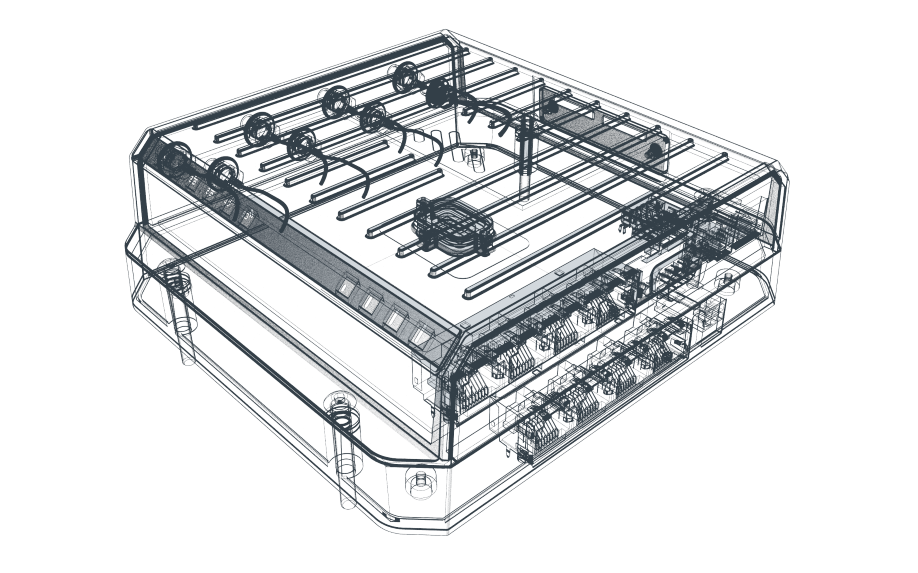
The work might include mechanical layouts, enclosure design, component integration, or updates to existing assemblies. Each output should serve a clear product purpose.
A model is valuable when it helps the team test fit, evaluate interfaces, or prepare for the next development stage. Good engineering keeps documentation focused on function, avoiding drawings created to produce files.
Prototypes That Answer Specific Questions
Prototypes help teams examine product behavior before later decisions become harder to revise. Their value depends on the question they need to answer.
An early prototype may test basic functionality or confirm that a technical direction has merit. A later build may evaluate fit or system integration. Engineers can also use prototypes to compare design options and gather data to inform the next round of development.
A focused prototype doesn’t need a polished appearance or final production materials. It needs a defined purpose.
A Useful Prototype May Help a Team:
- Verify a core function
- Compare design directions
- Evaluate fit or interaction
- Identify a failure mode
- Collect data for the next revision
Prototyping doesn’t replace the engineering and DFM work that comes later. It gives the team evidence it can use before moving deeper into product refinement.
Testing and Technical Validation
A prototype can show that a concept works under certain conditions. Validation asks whether the design performs as expected across the conditions that matter.
Engineering teams may develop test methods, define acceptance criteria, or review how a product responds under expected operating conditions. The exact work depends on the product and its risk profile.
Testing can reveal weak points that visual review won’t catch. It can also confirm that a design change solved the intended problem without creating a new one elsewhere. The resulting deliverables may include test plans, data, and recommended revisions.
These outputs help the client make informed choices rather than rely on assumptions.
Coordination Across Product Disciplines
Complex physical products often bring mechanical systems, electronics, and manufacturing considerations into the same conversation. When those areas develop separately, teams may miss connections that affect fit, performance, or the user experience.
An engineering design partner can help the different disciplines stay aligned as the product takes shape:
- Mechanical teams can account for board placement and cable routing as they refine the assembly.
- Electronics teams can work within enclosure limits while addressing heat dissipation.
- Industrial designers can shape the product around its internal architecture rather than treating it as a separate layer.
Keeping those conversations connected gives the client a better view of how one decision may influence another. The firm may handle parts of the work directly while bringing in other specialists where the project calls for them. Through it all, the client continues to guide the product and the business decisions behind it.

Preparation for Manufacturing
A validated prototype doesn’t mean the product can move straight into production. After core functions and the design direction have reached a stable point, the team still needs to review manufacturability, cost drivers, tolerances, assembly, and quality requirements.
Engineers may revise part geometry, develop drawings, or support supplier conversations. They can also review tooling needs and prepare documentation for pilot builds.
This stage often reveals details that early prototypes didn’t need to address. Prototype methods may allow shortcuts that won’t carry into production. DFM work helps the team revise those areas while protecting the product’s function and intended user experience.
Manufacturing preparation turns a validated design into a more credible production candidate.
Support That Fits the Client’s Team
External engineering support works best when it targets a specific need. One company might require help solving a mechanical issue, while another may need a broader partner to guide development through design, prototyping, and manufacturing setup.
The level of engagement should match the product's stage and the client’s internal capabilities. Some teams only need a short, focused technical effort, while others require ongoing engineering capacity working alongside internal leadership.
Although the deliverables will vary based on those needs, the relationship should remain clear. The client should understand what the engineering team is responsible for, what decisions are kept internal, and how progress will be communicated.
What the Client Receives at the End
A successful engagement isn't just about delivering a folder of files. The client should depart with a product that shows progress and a clearer grasp of the subsequent steps.
This could involve updated designs, test outcomes, production documentation, or supplier-ready data. It might also encompass unresolved questions that the team has now clearly identified for future resolution.
A Clear End State for Product Development
The strongest outcome is useful progress. The work should reduce uncertainty, support better decisions, and prepare the client for the next stage without overstating how far the product has advanced.
For companies evaluating what established engineering design firms can deliver, SGW Designworks provides product design and engineering support shaped around the product, its development stage, and the internal team already doing the work.