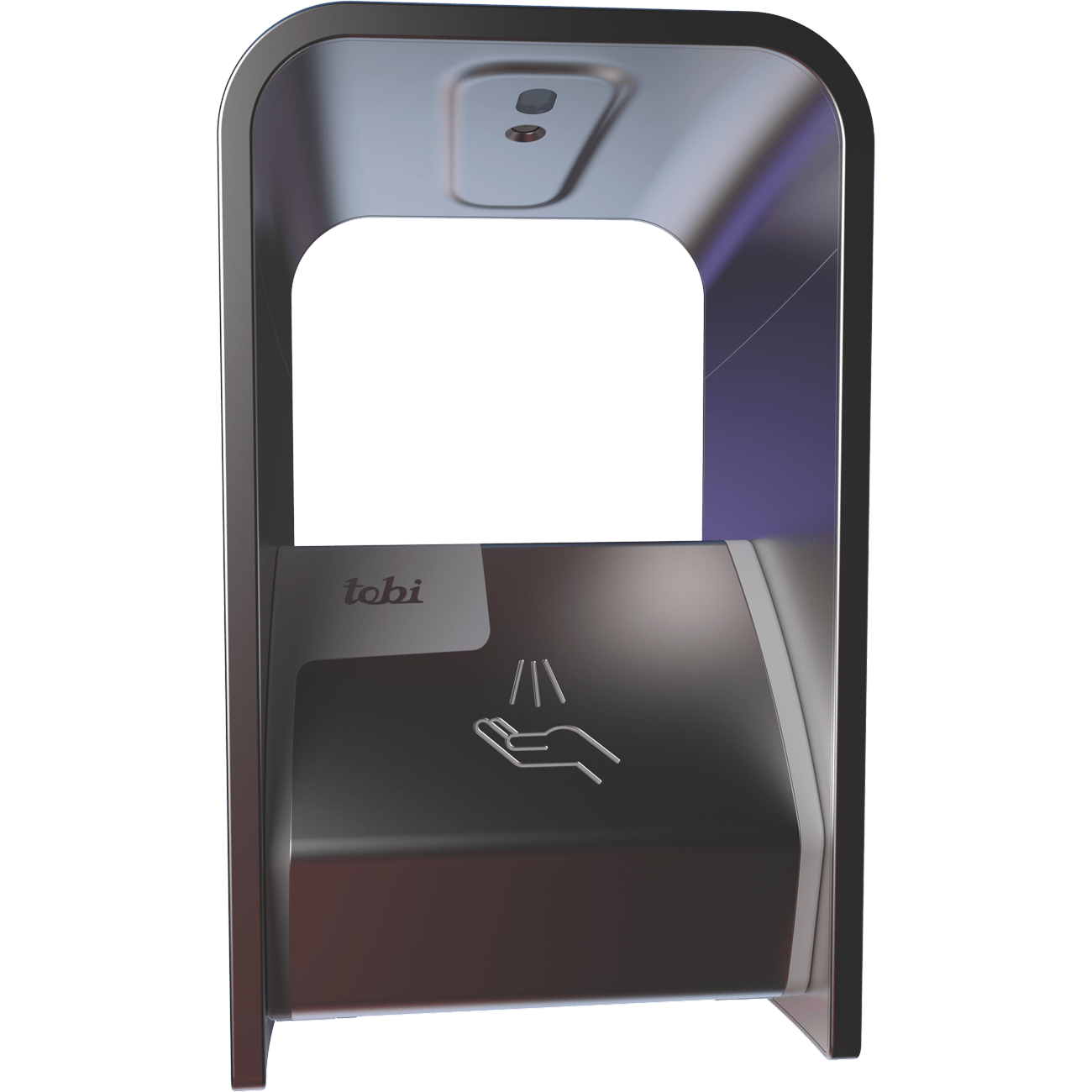


What an iteration can include
- Feature-level concept models
- Looks-like models for form and ergonomics
- Works-like prototypes for function
- Combined looks-like and works-like prototypes
- Production-like prototypes for testing and user feedback
Disciplined iteration
Speed comes from planning. Each cycle has a clear goal, and results feed the next round of design. Early cycles often start with proof-of-concept development, and engineering analysis reduces the number of physical builds needed.
Where it fits
Iterative prototyping is how we put technical risk reduction into practice. Learn more about our prototyping services.
Frequently asked questions
How many iterations does a product need?
It depends on the product's complexity and risk. We plan iterations around the questions that need answers rather than a fixed number.
Do you build the prototypes yourselves?
We build prototypes in house and work with outside suppliers when a process calls for it.
Can prototypes be used for user testing?
Yes. Looks-like and production-like prototypes are often used to gather user feedback before tooling.
Does iterating make development slower?
Planned iteration usually saves time overall, because problems are found before tooling and production when changes cost the most.
Related capabilities
Meet with us
Discuss your current development projects, approach, team, and goals

We'll propose the initial step
Our team defines the first body of work based on your business realities
See results
Realize the benefits of an award winning team focused on your project


