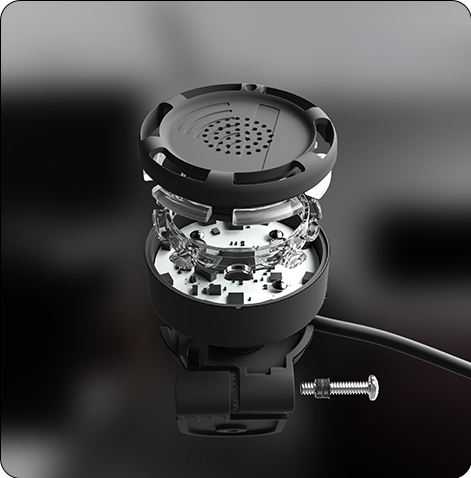


Where the energy goes
- Processor and radio selection for active and sleep current
- Duty cycling, wake sources, and transmit strategy
- Efficient power conversion and low quiescent current regulators
- Battery chemistry, capacity, and charging circuits
- Leakage paths in sensors, pull-ups, and peripherals
Hardware and firmware together
Low power is a shared responsibility between hardware and software. Our electrical and firmware engineers work together on power modes, peripheral control, and wake behavior. The hardware side builds on our power electronics design and PCB design and layout work.
Designing the whole device
Battery size drives enclosure size, weight, and cost, so we balance capacity against the industrial design and the handheld or wearable form factor. Low-power design is part of our electrical engineering services.
Frequently asked questions
How long will my battery last?
It depends on the use profile. We build a power budget early that estimates battery life for realistic use, then refine it with measurements on prototypes.
Do you develop the firmware for low-power modes?
Yes. Our firmware engineers develop the embedded software that manages sleep, wake, and peripheral power. Cloud platforms and mobile apps are typically developed by your team or a software partner.
Can you choose the battery?
Yes. We help select chemistry and capacity based on energy needs, size, temperature range, charging, and shipping requirements.
Can you reduce power consumption on an existing product?
Often. We can measure current in each operating mode, find the largest consumers, and recommend hardware and firmware changes.
Related capabilities
Meet with us
Discuss your current development projects, approach, team, and goals

We'll propose the initial step
Our team defines the first body of work based on your business realities
See results
Realize the benefits of an award winning team focused on your project


