


Use-case definition
- Who uses the product, and in what role
- Where it is used and the conditions it faces, such as gloves, lighting, noise, and time pressure
- The tasks users perform, step by step
- Where use errors could occur
What we design
- Buttons, dials, keypads, and touch inputs
- Displays, screen graphics, and indicator lights
- Audible and tactile feedback
- User flows and state-based behavior for setup and everyday use
We check designs with user testing and mock models. For vehicle displays, see rugged HMI and vehicle display design.
Medical devices
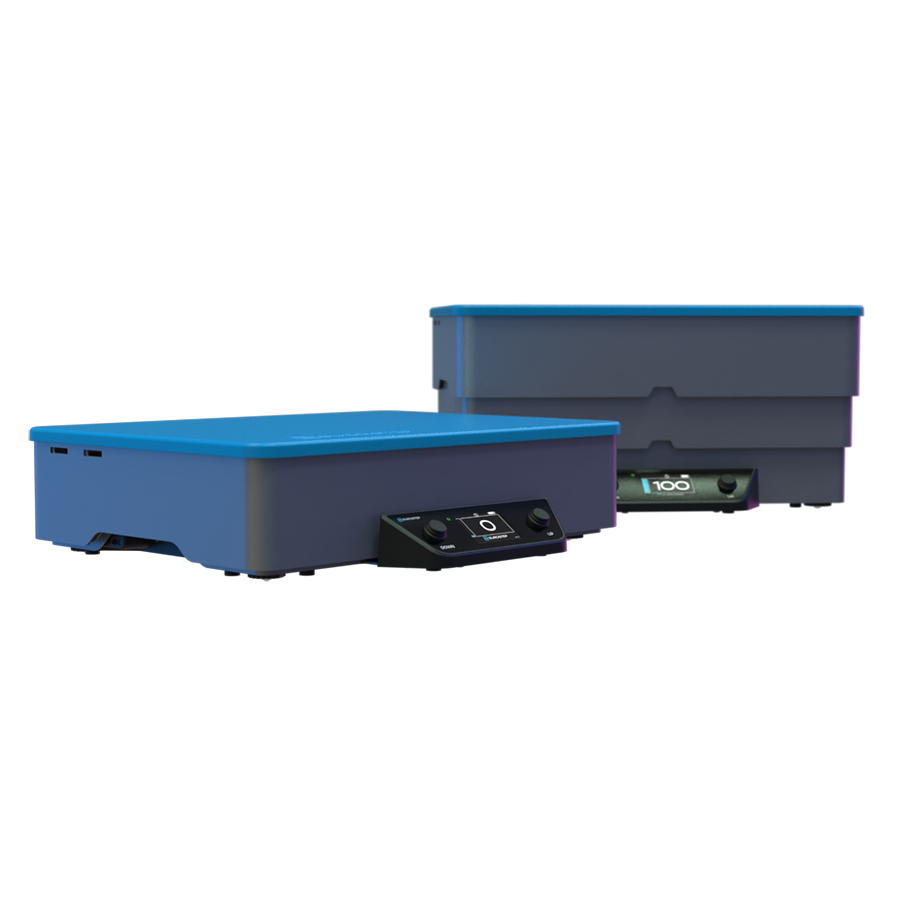
Clinicians work under pressure in demanding environments, so medical device interfaces need especially clear use cases. For Smart Step Surgical's SurgiStep, a height-adjustable surgical platform, SGW developed user flows, wireframes, and state-based behavior, kept the HMI simple with careful attention to button placement, screen graphics, and visual feedback, and ran usability sessions with surgeons that directly informed design refinements. See our medical device development work.
Where it fits
UI/UX design is part of our product design services.
Frequently asked questions
Do you design mobile or web apps?
Our focus is the physical product and its on-device interface. We can coordinate with your app developers on how the product and app work together.
Which medical device classes do you work on?
We focus on Class I and Class II medical devices. For summative usability validation, we can support your team or a specialist firm with prototypes and documentation.
When should use-case definition start?
At the very beginning. Clear use cases guide every later design decision and are much less expensive to get right early.
Can you improve the interface on an existing product?
Yes. We can review the current interface and use-related issues, test it with users, and recommend changes.
Related capabilities
Meet with us
Discuss your current development projects, approach, team, and goals

We'll propose the initial step
Our team defines the first body of work based on your business realities
See results
Realize the benefits of an award winning team focused on your project


