.jpg)
Reaching a working prototype feels like a major milestone. The team finally has something it can test, demonstrate, and evaluate against the product requirements. It’s also the point at which many companies begin looking toward manufacturing, even though some of the largest production decisions still lie ahead.
That’s why bringing DFM into product development early gives teams more room to address manufacturing constraints before tooling, supplier commitments, and release documentation begin narrowing their options.
DFM Starts After the Product Direction Takes Shape
Design for manufacturing (DFM) asks different questions than prototyping. Prototype work checks if the product functions and supports the use case, focusing on core requirements. DFM shifts focus to repeatability, methods, assembly, quality, and cost.
“Early” doesn’t mean locking manufacturing decisions at the first concept. Teams need flexibility to explore user needs, technical unknowns, and validate core function.
For many projects, deeper DFM begins after initial prototype cycles confirm the design. At this stage, teams know which qualities to protect but still have room for meaningful engineering changes.
Waiting until the final design reaches the manufacturer reduces flexibility. Suppliers may discover molding issues, tolerances, or assembly problems after months of work, and even small changes can impact schedules, testing, budgets, and approvals.
A Working Prototype Doesn’t Confirm Manufacturing Readiness
A prototype can answer major development questions. It can help teams evaluate function, fit, ergonomics, usability, and technical feasibility. It can’t confirm that a factory will produce the same design repeatedly at the expected volume, cost, and quality level.
Prototype methods often allow freedoms that production methods don’t. A team may machine a form that will later require molding, use temporary fasteners, or accept finishing work that wouldn’t make sense on a production line. Those choices may serve prototype validation well without representing the final manufacturing plan.
DFM bridges that gap. Instead of asking whether the product works, the team starts asking how production decisions may affect the product’s performance, durability, appearance, and assembly.
That distinction keeps teams from expecting prototype work to answer questions that belong later in engineering and manufacturing setup.
Manufacturing Decisions Start Earlier Than Tooling
Production planning starts before suppliers cut steel or issue purchase orders. Many manufacturing decisions are made during the design phase by engineers.
The proposed process influences geometry, materials, wall thickness, tolerances, finishes, fasteners, and part interfaces. Designs for CNC machining differ from those for molding, casting, forming, or stamping.
Expected volume impacts these choices; a process suitable for early production might not be viable at higher quantities due to economics, cycle times, or tooling. Teams don’t need every detail finalized initially, but they require enough guidance to determine whether the design supports the anticipated process.
Useful questions include:
- Can the selected process form the required geometry consistently?
- Do the tolerances support function without adding avoidable cost?
- Can technicians or equipment access each assembly point?
- Will the material and finish support the operating environment?
- Does the design give suppliers enough information to quote accurately?
These questions bring manufacturing reality into the engineering conversation while the team still has choices.
DFM Helps Protect Product Intent
Manufacturing preparation shouldn’t strip away the qualities that made the product valuable. A change that simplifies tooling may also affect durability. A new fastening method may reduce assembly time while making service more difficult. A material substitution may improve pricing while changing the product’s feel or environmental performance.
DFM provides the team with a structured way to evaluate those trade-offs against the product requirements.
Some Features Need More Protection Than Others
The aim isn’t simply to make each part easier or cheaper to produce. Instead, it’s about identifying which design features should be protected and which areas can still be modified.
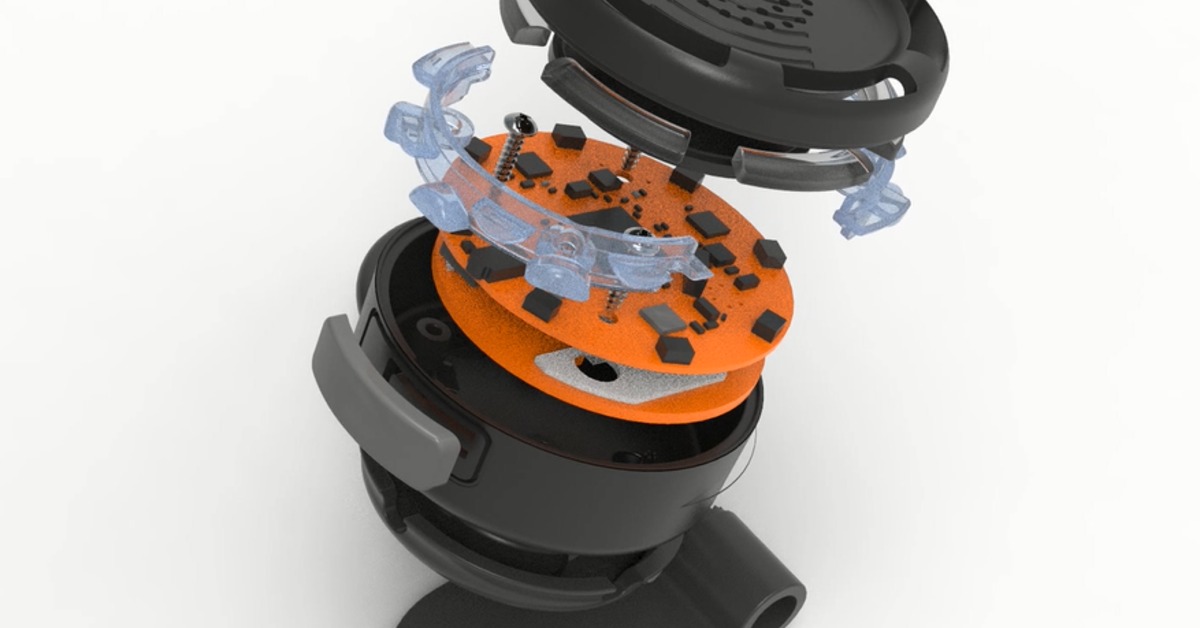
This distinction is especially important in complex electromechanical products, where a mechanical change might impact electronics packaging, thermal management, sealing, cable routing, or user interaction.
Every decision requires careful consideration of the context. Effective DFM work ensures that the product’s purpose remains aligned with the production plan, helping teams avoid changes that fix one manufacturing issue but create new problems elsewhere.
Cost Decisions Improve Before Tooling Begins
Production costs depend on more than raw materials and part prices; they also include geometry, tolerances, cycle time, secondary operations, assembly, inspection, tooling, and scrap. Early DFM allows engineers to review cost drivers while changes are manageable.
For example, geometry updates can simplify tooling, interface revisions can reduce assembly effort, and tolerance reviews can separate essential dimensions from less critical ones. Cost reduction should not compromise performance or value.
DFM helps teams identify where added complexity benefits the product and where it causes unnecessary expense. This also improves supplier quotes by providing clearer drawings, materials, finishes, volumes, and quality requirements. Better inputs reduce assumptions and enable more effective comparison of options.
Supplier Feedback Has Greater Value Before Release
Manufacturers bring detailed process knowledge from their own equipment, tooling practices, and inspection methods. Their feedback can sharpen engineering decisions, especially when the design can still change.
A supplier may recommend added draft, a different gate location, a revised bend radius, or another adjustment tied to the planned process. The engineering team still needs to assess how that recommendation affects function, appearance, durability, compliance, and product intent.
Supplier input works best as part of an engineering review rather than a final handoff. The product team provides the requirements and context. The supplier provides process knowledge. Engineers connect the two.
Once tooling, purchasing, or qualification work begins, even small revisions become harder to absorb. Earlier collaboration gives the team more space to evaluate feedback without forcing rushed decisions.
Documentation Turns Decisions Into Production Requirements
A manufacturing-ready design needs documentation that instructs the factory on what to build and how the team will evaluate it. Drawings, tolerances, material specifications, finish requirements, assembly instructions, and quality criteria should support the same interpretation.
DFM often uncovers gaps in documentation, such as unclear dimensions, undefined cosmetic requirements, or assembly instructions with excessive variation. Addressing these before production reduces back-and-forth and ensures consistent inspection.
Clear documentation aids the first article review and early builds, allowing the team to compare parts against defined requirements rather than subjective expectations. For companies needing additional engineering capacity during this phase, external DFM services can assist with design reviews, supplier coordination, documentation, and manufacturing prep, while internal teams retain product ownership.
Early DFM Doesn’t Mean Rushing the Design
Product teams can bring manufacturing awareness into development without freezing the design too soon.
Engineers can avoid obvious production conflicts during concept work while preserving room for experimentation. Once prototype testing confirms the product direction, the team can move into more focused manufacturing engineering with stronger information.
That sequence respects the purpose of each phase. Prototyping validates the product. DFM prepares the validated design for production. Manufacturing setup connects the design, supplier, documentation, quality plan, and initial production work.
Blurring those phases can create false confidence. Keeping them connected gives teams a clearer path from development into production.
Bring Manufacturing Reality Into the Design Conversation
Every engineering team accepts tradeoffs. DFM changes when those tradeoffs happen, giving teams the chance to make them before production commitments reduce the available options.
Placing DFM early in product development helps teams refine the design, evaluate production methods, involve suppliers, and prepare documentation while changes remain manageable.
SGW Designworks helps product and engineering teams move from validated prototypes toward manufacturing-ready designs. When a project needs focused engineering support through DFM and manufacturing setup, our team can help keep product intent connected to production reality.